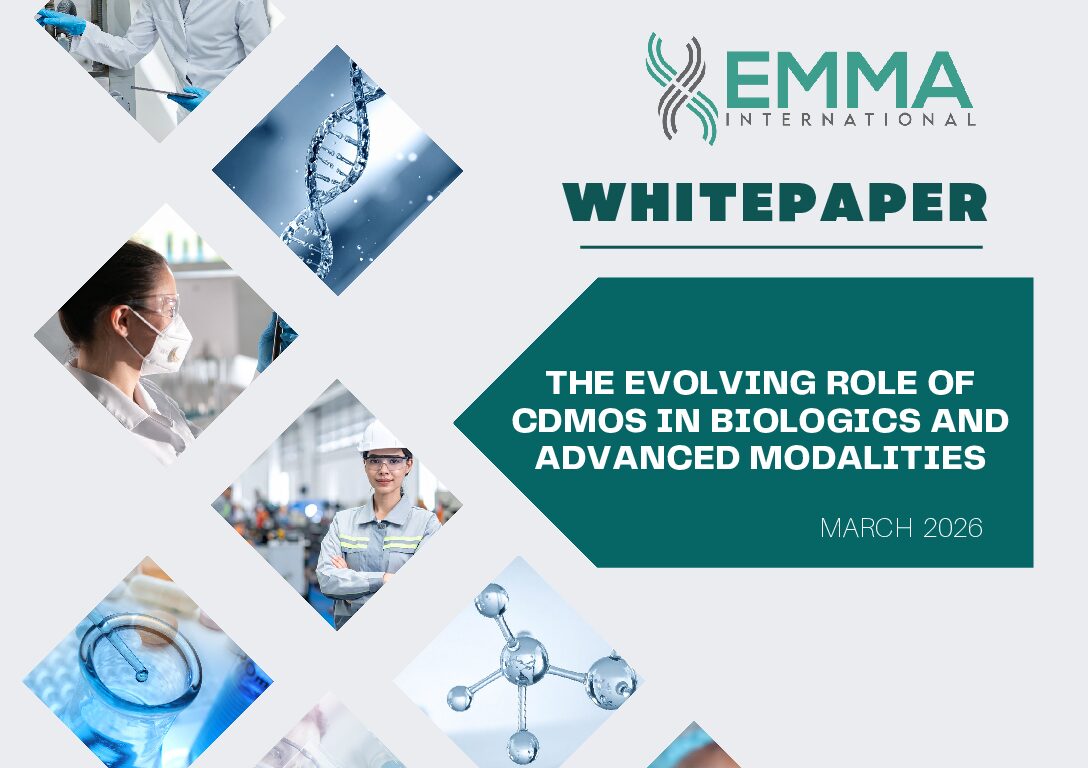
This whitepaper examines how manufacturing has become a gating factor in the product lifecycle, with a focus on the evolution of the embedded CDMO model. The discussion explores early-stage collaboration, long-term capacity reservations, dual-sourcing strategies, digital integration, and the regulatory implications of deeper sponsor-CDMO partnerships.
Results for "biologics"
New Final Guidance Clarifies Promotional Labeling Rules for Biologics and Biosimilars
The US Food and Drug Administration has issued its final guidance outlining expectations for promotional labeling and advertising for biologics, biosimilars, and interchangeable biosimilars. The document aims to ensure that promotional communications across all media are accurate, non-misleading, and consistent with the approved product labeling.
FDA’s Top Biologics Official Vinay Prasad Resigns Amid Regulatory Controversy
Dr. Vinay Prasad has stepped down from his role as Director of the FDA’s Center for Biologics Evaluation and Research (CBER), less than three months after taking the post. His sudden resignation marks a significant leadership shift for the agency’s oversight of vaccines, cell therapies, and gene therapy products.
Biosimilars: The Future of Affordable and Accessible Biologics
As the demand for cost-effective biologic therapies continues to grow, biosimilars have emerged as a critical solution for improving patient access to life-saving treatments. These FDA-approved biologic alternatives closely resemble existing reference products and offer a more affordable option without compromising safety or efficacy.
Pre-BLA Meeting: A Crucial Step in the Biologics Licensing Process
A Pre-Biologics License Application (Pre-BLA) meeting is a critical milestone in the regulatory pathway for biologic products. This meeting is held between a biologic product sponsor and the FDA before the submission of a Biologics License Application (BLA). The primary goal is to discuss the forthcoming BLA submission, ensuring that it meets all regulatory requirements and addresses any potential issues that could delay the approval process.
The Biologics License Application (BLA)
In this blog, we delve into the BLA process to shed light on its intricacies and provide insights for biopharmaceutical innovators.
Understanding the Biologics License Application (BLA)
In this blog, we will delve into the intricacies of the BLA process, exploring its significance, key components, and the steps involved in bringing a biologic product to market.
Navigating the FDA’s Biologics License Application (BLA) Process: A Comprehensive Guide
In this blog post, we will delve into the essential aspects of the BLA process, shedding light on the steps involved and the significance of each stage.
Are FDA Expectations for Tech Transfer Increasing in 2026? What Companies Need to Get Right
Technology transfer has always been a critical step in bringing products from development to commercial manufacturing—but in 2026, regulatory expectations are becoming more defined and more closely scrutinized.
FDA Approves First Generic Omeprazole Oral Paste for Horses: What This Means for Veterinary Drug Regulation
The U.S. Food and Drug Administration has approved the first generic omeprazole oral paste for the treatment and prevention of gastric ulcers in horses and foals at least four weeks of age. This marks a significant milestone in veterinary medicine and regulatory oversight, introducing a new level of competition into a space that has historically had limited FDA-approved options.
Because these systems can directly impact product quality and patient safety, regulators expect organizations to demonstrate that AI outputs are accurate, consistent, and scientifically justified.