As of May 2025, the FDA is ramping up efforts to modernize regulatory oversight, embrace innovation, and tighten post-market enforcement. Here are the top trends reshaping the regulatory landscape—and how EMMA International can help you stay ahead:
As of May 2025, the FDA is ramping up efforts to modernize regulatory oversight, embrace innovation, and tighten post-market enforcement. Here are the top trends reshaping the regulatory landscape—and how EMMA International can help you stay ahead:
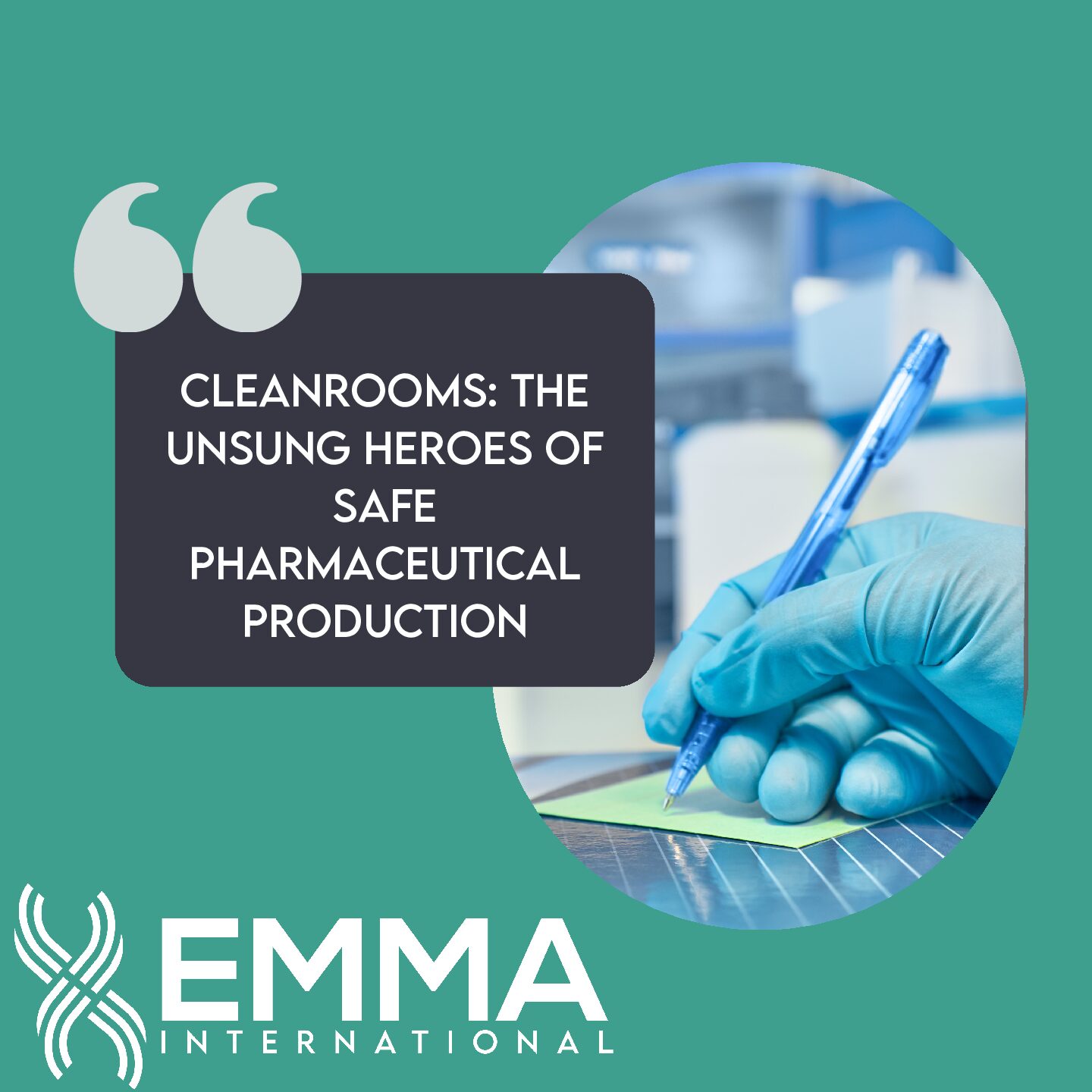
In the world of pharmaceutical manufacturing, precision and purity are paramount. One of the most critical, but often underappreciated, components of drug production is the cleanroom environment. These controlled spaces are essential to ensuring the safety, efficacy, and quality of medications, particularly sterile products such as injectables, biologics, and ophthalmics. In an era of stringent regulatory standards and increasing product complexity, cleanrooms have become the backbone of modern pharmaceutical operations.
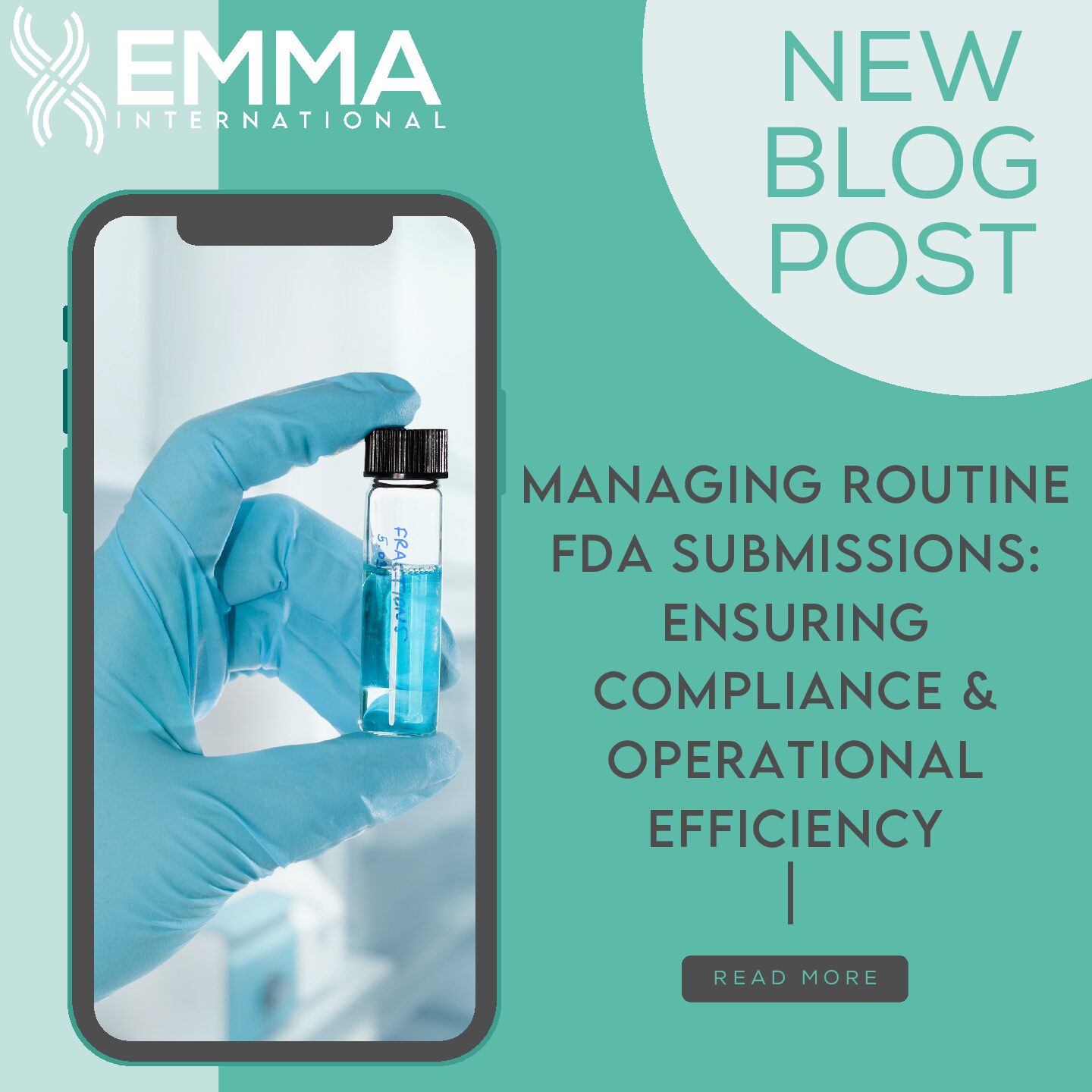
For pharmaceutical, medical device, and biotechnology companies, routine regulatory submissions are a critical part of maintaining compliance with the U.S. Food and Drug Administration (FDA) and other global regulatory agencies. These routine filings ensure that products remain on the market, manufacturing sites are legally registered, and safety updates are appropriately communicated to regulators. However, managing these ongoing regulatory requirements can be time-consuming and resource intensive. Many companies turn to compliance partners like EMMA International to navigate the complexities of routine regulatory maintenance, allowing them to focus on innovation and market expansion.

Ensuring patient safety is the cornerstone of the FDA’s mission, and the FDA Adverse Event Reporting System (FAERS) plays a crucial role in this ongoing effort. FAERS is a comprehensive database designed to collect and analyze adverse event reports, medication errors, and product quality complaints associated with pharmaceuticals and therapeutic biologics.
The pharmaceutical industry is continuously evolving, and with it, regulatory agencies are embracing new methodologies to enhance drug approval processes. One of the most transformative shifts in recent years has been the increasing reliance on real-world evidence (RWE)- a crucial component that complements traditional clinical trials. Both the U.S. Food and Drug Administration (FDA) and the European Medicines Agency (EMA) recognize the value of RWE in expediting drug approvals, assessing post-market safety, and supporting regulatory decisions.
The Biotech Boom and Its Compliance Challenges
Biotech is experiencing an unprecedented boom, with billions of dollars flowing into startups aiming to revolutionize medicine, diagnostics, and therapeutics. However, with rapid innovation comes a crucial challenge—compliance. Startups, eager to bring groundbreaking technologies to market, often underestimate the complexity of regulatory requirements. Understanding compliance from the outset can mean the difference between success and costly setbacks.
Lab-grown meat has been making headlines as a sustainable alternative to traditional animal products. Beyond food, cellular agriculture has the potential to revolutionize medicine. From lab-grown collagen for wound healing to cultured animal cells used in biologics, this technology is raising new ethical, scientific, and regulatory questions. As biotech companies push the boundaries of innovation, the question remains: Is the pharmaceutical industry ready for lab-grown meat in medicine?

In the rapidly advancing field of healthcare, biosimilars have emerged as a groundbreaking solution, offering a way to improve patient access to innovative treatments while also addressing the financial challenges posed by costly biologic drugs. This blog explores the role of biosimilars in the healthcare landscape, delving into their significance, development process, regulatory considerations, and the profound impact they have on patients and the industry at large.
In the rapidly evolving field of In Vitro Diagnostics (IVDs), navigating the complex landscape of product development, regulatory compliance, and market entry requires specialized expertise. EMMA International stands out as a global leader in providing comprehensive solutions tailored to the unique challenges of the IVD industry.
The “cold chain” is a temperature-controlled supply chain that ensures pharmaceutical products remain stable, safe, and effective from the manufacturing site to the patient. This process involves careful planning, precise control, and sophisticated technology. This blog will discuss the importance of cold chain in pharmaceutical distribution, the technology and logistics behind it, and how companies can maintain compliance.