FDA has introduced a new program for medical devices and for device led combination products. Under this program are...
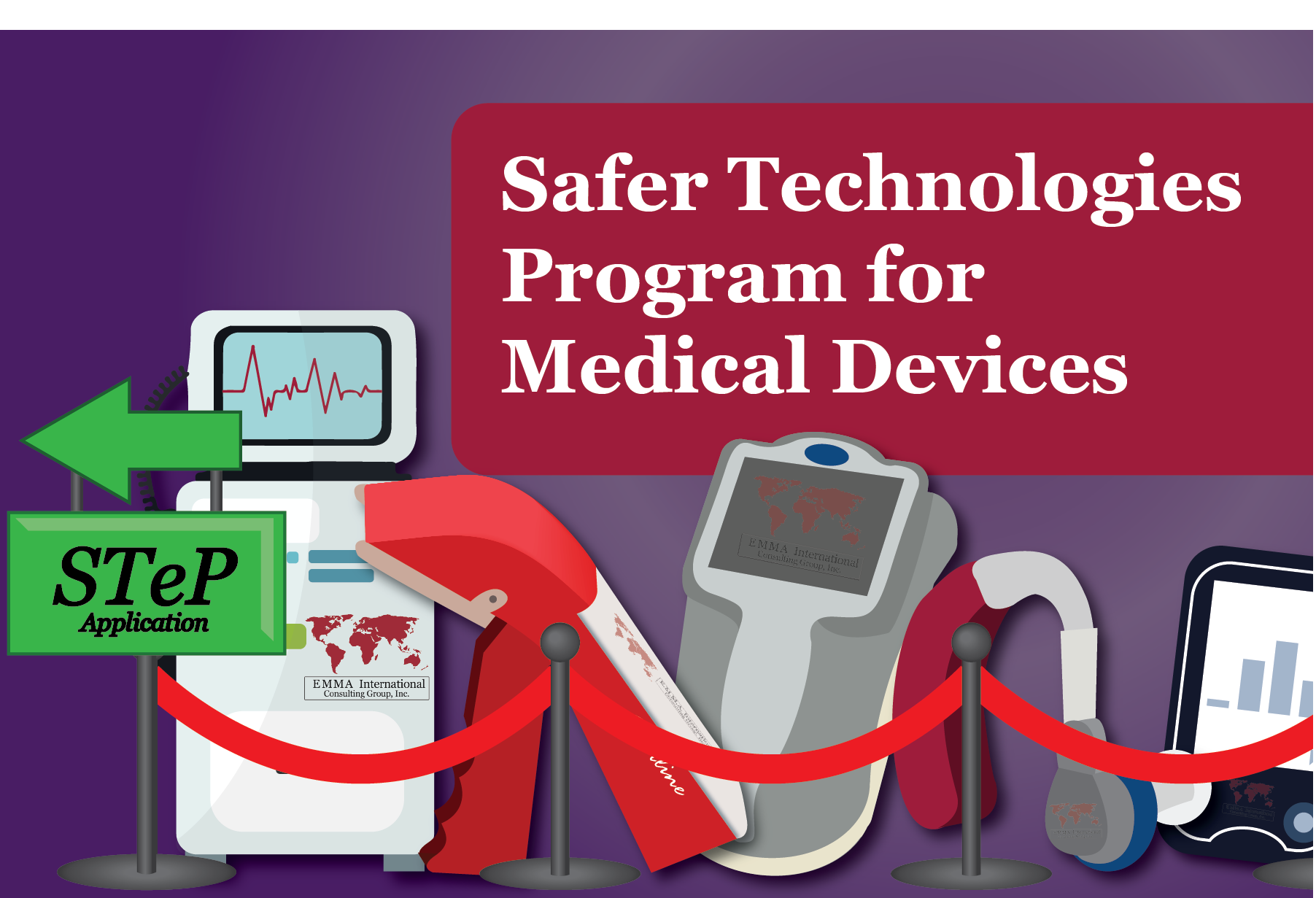
FDA has introduced a new program for medical devices and for device led combination products. Under this program are...
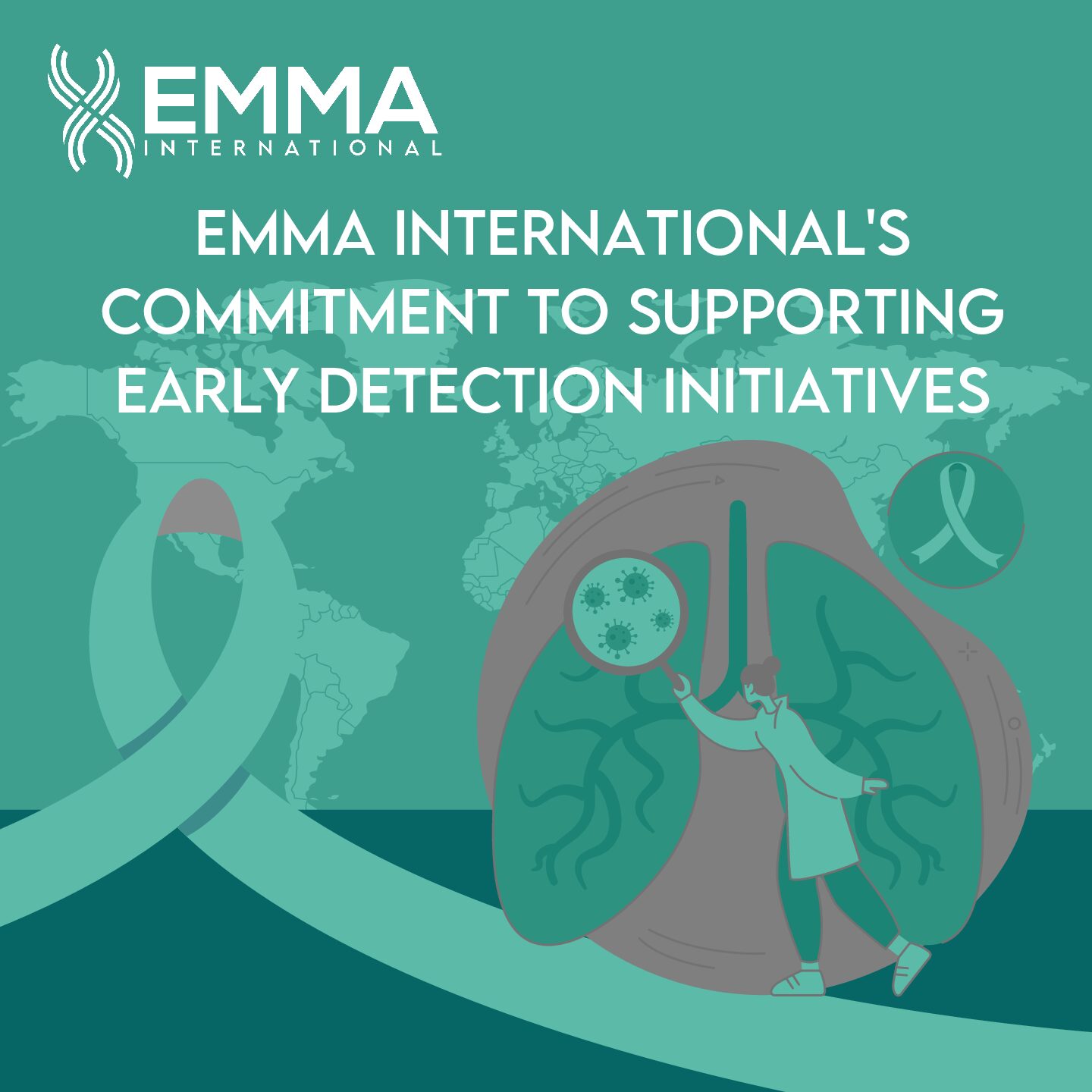
Prostate cancer has emerged as the most commonly diagnosed cancer among men in the UK, with about 1 in 8 men affected during their lifetime. Early detection is vital as it significantly boosts survival rates and enhances treatment outcomes. Cutting-edge diagnostics, such as Oxford BioDynamics’ EpiSwitch PSE blood test—which boasts a remarkable 94% accuracy rate—are setting new standards in early prostate cancer diagnosis, outperforming traditional tests like the PSA.

Artificial intelligence (AI) continues to revolutionize healthcare, transforming how data is interpreted, diagnoses are made, and patient care is delivered. However, with these advancements come new regulatory challenges—particularly around ensuring safety, performance, and reliability over time. To address these issues, the U.S. Food and Drug Administration (FDA) has released a discussion paper through its Center for Devices and Radiological Health (CDRH), seeking public feedback on how to assess AI-enabled medical devices across their entire product lifecycle.
The European regulatory landscape continues to evolve rapidly, with new initiatives aimed at balancing innovation, safety, and patient access. This week’s developments span artificial intelligence in medicine, updated clinical trial guidance, new requirements for diagnostics, and broader efforts to simplify Europe’s complex regulatory framework.

Generic drugs remain essential for healthcare systems worldwide, but evolving formulations, delivery systems, and safety concerns require increasingly sophisticated approaches to regulation. FDA’s updated priorities aim to strengthen scientific understanding, modernize review processes, and make the development of generics more efficient.

Artificial intelligence (AI) continues to reshape how clinical research is conducted, and a new framework called TRIALSCOPE may mark the next step in leveraging electronic medical records (EMRs) for regulatory-grade evidence. Published in NEJM AI on September 22, TRIALSCOPE demonstrated the ability to extract unstructured EMR data and simulate cancer clinical trials with results that mirrored real-world outcomes.

In today’s globalized economy, pharmaceutical supply chains face mounting pressures. Natural disasters, geopolitical tensions, and increasingly complex regulatory requirements have exposed vulnerabilities that threaten patient access to essential medicines. For life science organizations, ensuring continuity of supply is no longer just a competitive advantage, it is a responsibility to patients and regulators alike.
competitive intelligence Services Turning Insight into Action for Life Sciences Companies In a rapidly evolving...

The fusion of nanotechnology and medicine—known as nanomedicine—has opened new frontiers in the prevention, diagnosis, and treatment of disease. At the heart of this field are nanosensors, highly sensitive devices capable of detecting biological, chemical, and physical signals at the molecular level. Together, nanomedicine and nanosensors are revolutionizing how we understand and treat conditions ranging from cancer to infectious diseases. But with such rapid innovation comes a pressing need for regulatory, quality, and compliance expertise—this is where EMMA International plays a critical role.
In the ever-evolving world of healthcare and life sciences, staying abreast of new regulations from the U.S. Food and Drug Administration (FDA) is essential. Whether it’s a shift in compliance standards, the introduction of digital health policies, or enhanced post-market surveillance requirements, the FDA’s regulatory updates can have far-reaching impacts on product development, manufacturing, and market access.