The regulatory landscape across the life sciences industry is entering a new era shaped by data, digital transformation, and advanced analytics. As pharmaceutical, biotechnology, and medical device companies generate increasingly large volumes of operational and clinical data, regulatory agencies are also evolving how they monitor compliance, assess risk, and oversee regulated activities.
One of the most significant developments emerging across the industry is the shift toward predictive regulation.
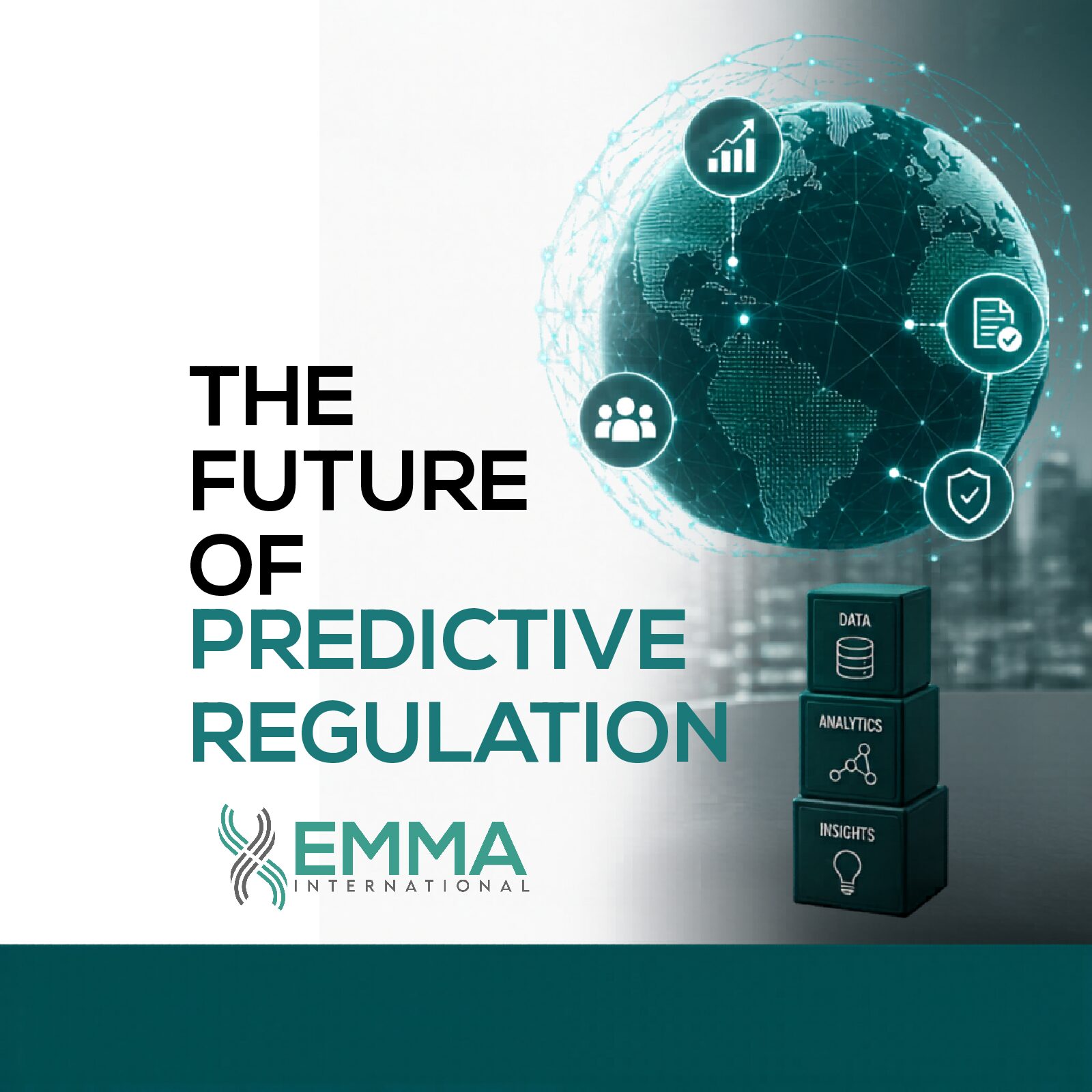
Predictive regulation refers to the growing use of advanced analytics, artificial intelligence, machine learning, and real-time data monitoring to identify potential risks, compliance trends, and operational concerns before they escalate into larger regulatory issues. Rather than relying solely on reactive inspections or historical reviews, regulatory oversight is becoming increasingly proactive and data-driven.
For organizations operating within regulated environments, this evolution is expected to significantly impact how compliance, quality systems, inspections, and operational readiness are managed moving forward.
At EMMA International, organizations are increasingly seeking strategies that prepare them not only for today’s regulatory expectations, but also for the future of digitally enabled oversight and predictive compliance models.
What Is Predictive Regulation?
Predictive regulation involves the use of data analytics and intelligent technologies to identify patterns, trends, and potential risks across regulated operations.
Regulatory agencies are increasingly leveraging digital tools to analyze:
- Inspection histories
- Adverse event trends
- Manufacturing deviations
- Supply chain disruptions
- Clinical trial data
- Product quality signals
- Cybersecurity incidents
- Market surveillance data
This shift allows regulators to prioritize oversight activities based on risk indicators and operational trends rather than relying exclusively on scheduled inspection cycles.
As digital infrastructure continues expanding across the life sciences industry, predictive regulatory models are expected to become increasingly sophisticated and integrated into global oversight strategies.
The Role of AI and Advanced Analytics
Artificial intelligence and machine learning are playing a growing role in predictive regulatory environments. Advanced analytics platforms can process large datasets more efficiently than traditional manual review methods, helping identify subtle patterns that may indicate emerging quality or compliance concerns.
For example, predictive analytics may help identify:
- Manufacturing processes trending toward failure
- Sites with elevated compliance risk
- Data integrity anomalies
- Potential supply chain vulnerabilities
- Emerging pharmacovigilance signals
- Clinical trial inconsistencies
This allows both organizations and regulators to move toward earlier intervention strategies that reduce operational disruption and improve overall risk management.
As companies increase digital integration across operations, many are aligning these initiatives with broader Digital, Data & FinTech Advisory programs to strengthen governance, infrastructure, and long-term scalability.
How Predictive Regulation Impacts Industry
The future of predictive regulation will likely require organizations to maintain significantly greater visibility into operational performance and quality metrics across the enterprise.
Traditional compliance models that rely heavily on periodic remediation or reactive responses may become increasingly insufficient in a more continuously monitored environment.
Organizations may face growing expectations surrounding:
- Real-time data accessibility
- Continuous process monitoring
- Data integrity governance
- Advanced risk management
- Cybersecurity readiness
- System interoperability
- Traceability and auditability
- Predictive quality oversight
This shift reinforces the importance of mature quality systems capable of supporting both operational excellence and regulatory transparency.
Many organizations are strengthening these capabilities through integrated Enterprise Quality & Risk Management programs designed to improve inspection readiness and enterprise-wide compliance oversight.
Regulatory Agencies Continue Modernizing
Global regulatory agencies including the U.S. Food and Drug Administration and the European Medicines Agency continue exploring how digital technologies and advanced analytics can improve regulatory efficiency and risk-based oversight.
While predictive regulation frameworks are still evolving, the direction is becoming increasingly clear: regulators are moving toward more connected, data-driven oversight models that emphasize continuous monitoring and proactive risk identification.
Organizations that proactively modernize operational systems and governance structures today will likely be better positioned as these expectations continue developing.
Preparing for the Future of Compliance
Successfully adapting to predictive regulation requires more than implementing new technology platforms. Organizations must also establish scalable governance frameworks capable of supporting data integrity, validation, operational transparency, and ongoing lifecycle oversight.
Key focus areas may include:
- Strengthening digital infrastructure
- Enhancing cybersecurity controls
- Improving cross-functional data visibility
- Expanding predictive analytics capabilities
- Modernizing quality systems
- Developing AI governance frameworks
- Supporting continuous monitoring strategies
Companies expanding across global markets may also require integrated Global Market Entry & Expansion Strategy support to align evolving compliance expectations across multiple regulatory regions.
Predictive regulation represents a significant evolution in how regulated industries will be monitored and managed in the future. While the transition introduces new complexities, it also creates opportunities for organizations to improve efficiency, strengthen quality oversight, and build more resilient operations.
Through services spanning digital transformation, regulatory strategy, operational excellence, and compliance consulting, EMMA International continues supporting life sciences organizations as they prepare for the future of predictive, data-driven regulation.