
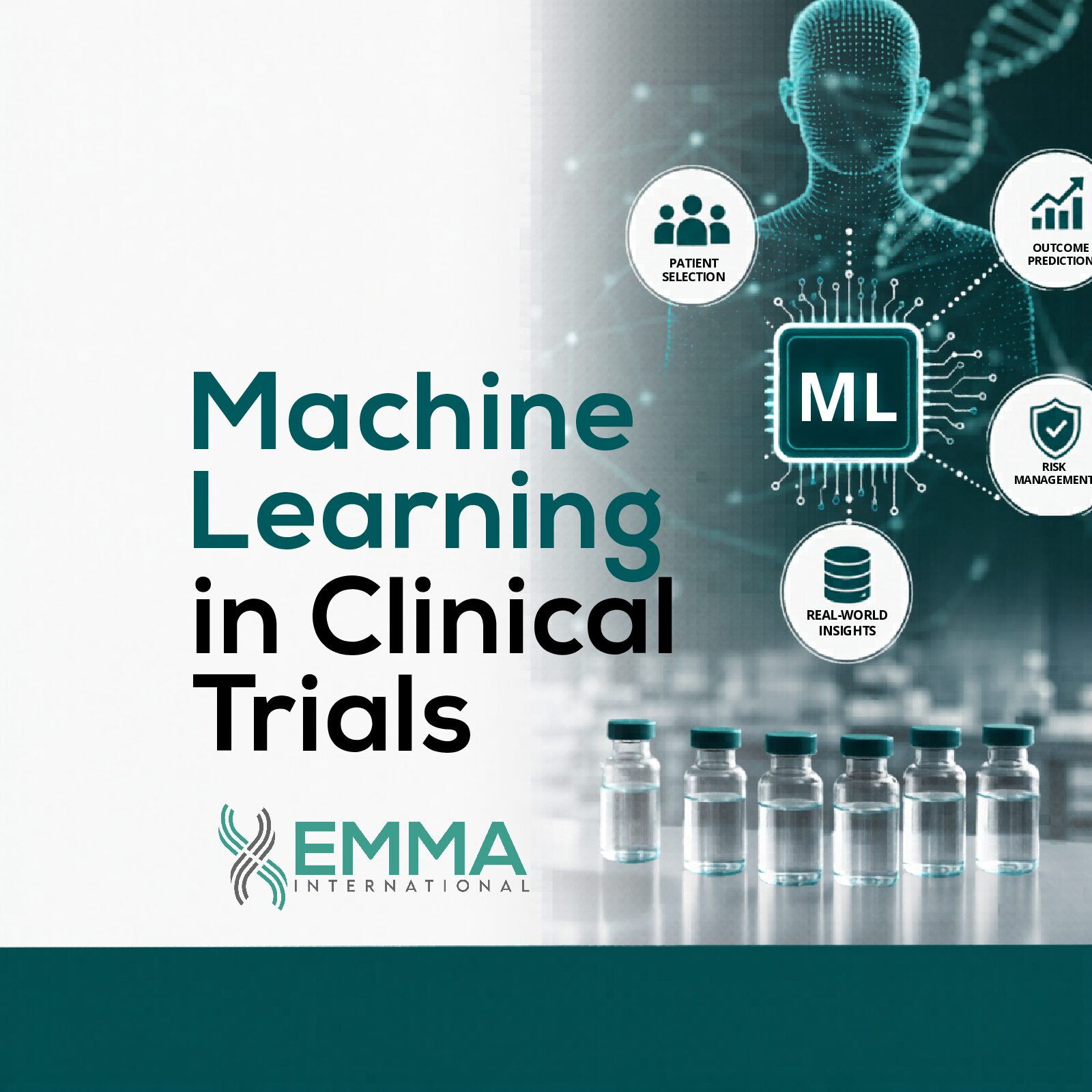
Machine learning is rapidly transforming the clinical trial landscape across the life sciences industry. As pharmaceutical, biotechnology, and medical device companies face increasing pressure to reduce development timelines, improve patient recruitment, manage rising costs, and generate higher-quality data, organizations are turning to machine learning technologies to improve efficiency and support more informed decision-making throughout the clinical development process.
From predictive analytics and patient stratification to risk-based monitoring and protocol optimization, machine learning is becoming increasingly integrated into modern clinical trial operations. However, while the technology offers significant potential, organizations operating within regulated environments must also ensure these systems remain compliant, validated, and supported by strong governance frameworks.
At EMMA International, organizations are increasingly seeking strategies that balance digital innovation with regulatory compliance, operational oversight, and long-term scalability across global clinical programs.
The Growing Role of Machine Learning in Clinical Development
Clinical trials generate enormous volumes of data across multiple systems, sites, and patient populations. Traditional manual review processes can create operational bottlenecks, increase costs, and limit the ability to rapidly identify meaningful trends or risks.
Machine learning technologies help organizations process and analyze large datasets more efficiently while supporting faster and more predictive decision-making.
Applications of machine learning within clinical trials may include:
- Patient recruitment optimization
- Predictive patient enrollment modeling
- Protocol design optimization
- Site selection and performance forecasting
- Adverse event signal detection
- Risk-based monitoring
- Clinical data review and anomaly detection
- Patient retention analysis
- Real-world evidence integration
These technologies have the potential to improve trial efficiency, reduce operational burden, and support more adaptive clinical development strategies.
Improving Patient Recruitment and Retention
One of the most significant challenges in clinical research remains patient recruitment and retention. Delays in enrollment continue to impact timelines, increase costs, and slow overall product development.
Machine learning models can analyze historical trial data, demographic trends, electronic health records, and patient behavior patterns to help identify more suitable patient populations and optimize recruitment strategies.
Organizations are also leveraging predictive analytics to identify participants at higher risk of dropout, allowing clinical teams to proactively improve patient engagement and retention efforts.
As clinical operations become increasingly data-driven, many organizations integrate these initiatives into broader Digital, Data & FinTech Advisory programs to strengthen infrastructure, governance, and operational scalability.
Enhancing Risk-Based Monitoring
Machine learning is also playing a growing role in risk-based monitoring strategies. Rather than relying solely on traditional on-site monitoring approaches, organizations can leverage machine learning algorithms to identify anomalies, trends, and operational risks in near real-time.
These systems may help detect:
- Data inconsistencies
- Protocol deviations
- Site performance concerns
- Potential fraud indicators
- Missing or incomplete data
- Adverse event reporting trends
This enables clinical teams to focus oversight efforts on higher-risk areas while improving overall operational efficiency and data quality management.
Strong monitoring frameworks are often supported through integrated Enterprise Quality & Risk Management programs that align technology oversight with broader compliance expectations.
Regulatory Considerations Remain Critical
While machine learning offers substantial operational advantages, regulatory agencies continue emphasizing the importance of validation, traceability, data integrity, and human oversight within AI-assisted clinical environments.
Regulators including the U.S. Food and Drug Administration and the European Medicines Agency expect sponsors to maintain control over how machine learning systems are developed, validated, monitored, and utilized within regulated processes.
Organizations implementing machine learning technologies should establish clear governance structures addressing:
- Intended system use
- Validation and testing
- Data integrity controls
- Change management
- Audit trails
- Cybersecurity protections
- Human oversight responsibilities
- Ongoing performance monitoring
Importantly, sponsors remain fully accountable for clinical trial quality and patient safety, regardless of how advanced automated technologies become.
Preparing for the Future of Clinical Innovation
As clinical development continues evolving, machine learning will likely become an increasingly important component of trial design, execution, and oversight. Organizations that proactively establish scalable governance and compliance frameworks today will be better positioned to leverage future innovation responsibly.
Machine learning has the potential to significantly improve efficiency, reduce development timelines, and support more data-driven clinical strategies. However, long-term success depends on balancing innovation with disciplined quality systems, regulatory oversight, and operational control.
Through services including Operational Excellence & Performance Improvement consulting, Global Market Entry & Expansion Strategy support, and Digital Transformation Advisory services, EMMA International continues supporting organizations as they navigate the evolving intersection of machine learning, clinical innovation, and regulatory compliance across the global life sciences industry.