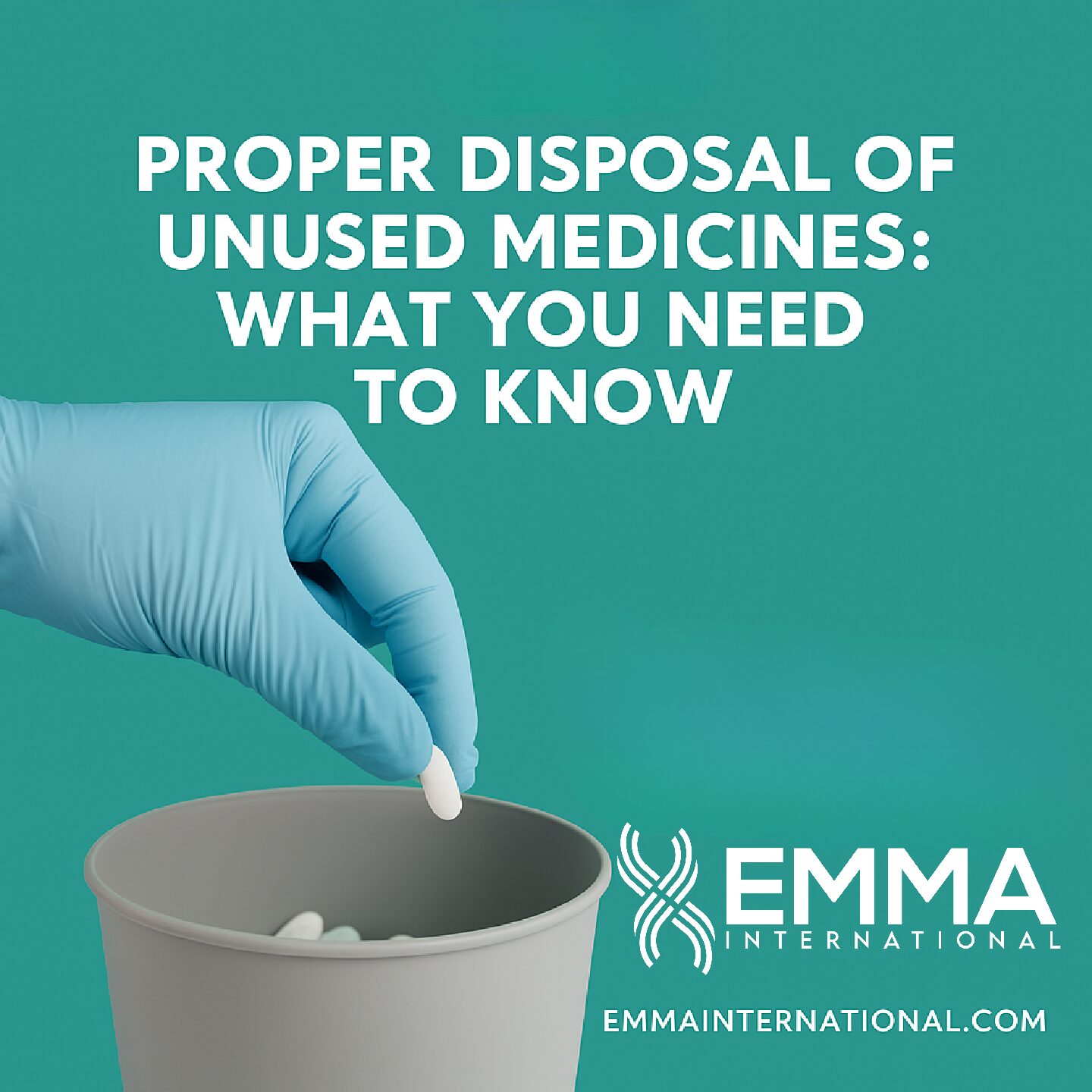
Disposing of unused or expired medications is an important step in protecting public health and the environment. Whether it’s prescription drugs, over-the-counter products, or specialized therapies, proper disposal prevents accidental exposure, misuse, and potential contamination of water systems.
Best Practices for Medicine Disposal
The safest and most effective method for disposing of most medicines is through a drug take-back program. These programs allow individuals to return unwanted or expired medications to authorized collection sites for secure disposal.
There are several options for participating in a drug take-back program:
- Drop medicines off at a designated collection location, often hosted by local pharmacies or law enforcement agencies.
- Use a prepaid drug mail-back envelope, which can be purchased at retail locations or provided by some pharmacies free of charge.
If these options are not accessible, there are guidelines for safe at-home disposal based on the type of drug.
When to Flush Medicines
Certain medications are especially harmful if accidentally ingested by someone other than the intended patient. These drugs are included on the FDA’s flush list and should be flushed down the toilet if a take-back option is not available. This ensures that the medicine is completely and immediately removed from potential misuse.
To determine if a drug is on the flush list, patients should check the label or patient information leaflet. The FDA also maintains a public list of medications recommended for flushing.
At-Home Trash Disposal
For medicines not included on the flush list, the FDA recommends the following steps for household disposal:
- Remove the medicine from its original packaging.
- Mix it with an undesirable substance, such as used coffee grounds, dirt, or cat litter. This helps prevent children, pets, or others from retrieving it from the trash.
- Place the mixture in a sealable container, like a plastic bag or can, and throw it away.
- Scratch out all personal information on prescription labels before discarding the packaging.
This method applies to pills, liquids, patches, creams, and other typical dosage forms.
Special Disposal Instructions
Some products require additional care due to their strength, delivery method, or risk of environmental harm:
- Fentanyl Patches: Even after use, these patches retain potent opioid medication. They should be flushed immediately after use unless a take-back option is available.
- Inhalers and Aerosols: These products can be hazardous if punctured or exposed to heat. Disposal instructions on the label should be followed, and local waste management authorities should be contacted for guidance.
Addressing Environmental Concerns
Concerns about trace amounts of pharmaceuticals entering the water supply are valid. However, research from the FDA indicates that the environmental risk posed by flushing certain high-risk drugs is minimal when compared to the danger of accidental exposure or misuse. Most drug residues in water originate from human excretion, not from improper disposal.
Supporting Safe Disposal Practices
Improperly discarded medications can pose a threat to families, communities, and the environment. Patients should always check disposal instructions and consult their healthcare providers if they are unsure how to dispose of a medication.
At EMMA International, we help our clients maintain compliance with safety protocols and regulatory requirements across the product lifecycle. From post-market surveillance to environmental risk assessments, our team supports pharmaceutical companies in upholding public trust and safety standards.
For more information on how EMMA International can assist, visit www.emmainternational.com. Contact EMMA International at (248) 987-4497 or by email at info@emmainternational.com to learn more.
References
U.S. Food and Drug Administration. (n.d.). How to Dispose of Unused Medicines. Retrieved from https://www.fda.gov/consumers/consumer-updates/where-and-how-dispose-unused-medicines