Interest in microbiome-based therapies continues to accelerate across global life sciences markets. As scientific...
Interest in microbiome-based therapies continues to accelerate across global life sciences markets. As scientific...

Technology transfer has always been a critical step in bringing products from development to commercial manufacturing—but in 2026, regulatory expectations are becoming more defined and more closely scrutinized.
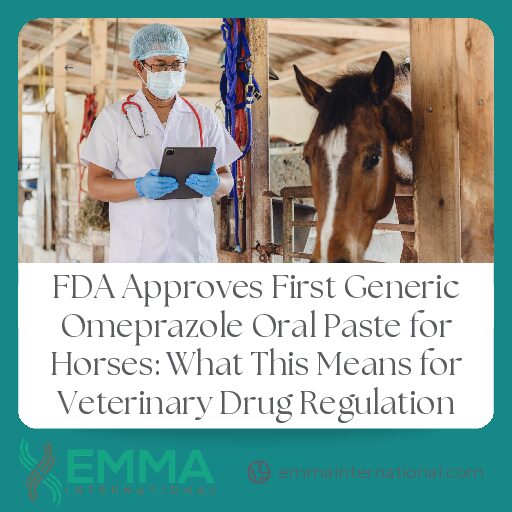
The U.S. Food and Drug Administration has approved the first generic omeprazole oral paste for the treatment and prevention of gastric ulcers in horses and foals at least four weeks of age. This marks a significant milestone in veterinary medicine and regulatory oversight, introducing a new level of competition into a space that has historically had limited FDA-approved options.
Because these systems can directly impact product quality and patient safety, regulators expect organizations to demonstrate that AI outputs are accurate, consistent, and scientifically justified.
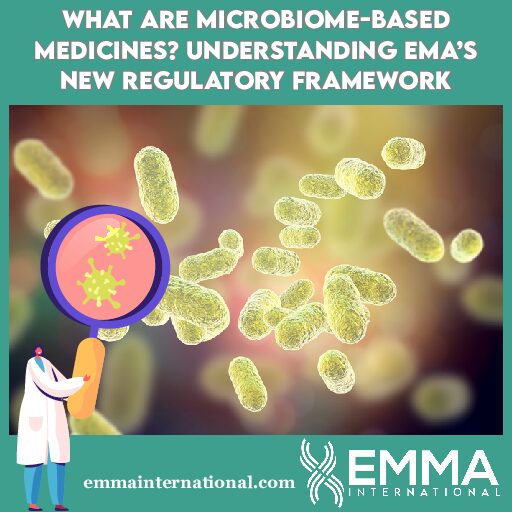
Interest in microbiome-based therapies continues to accelerate across global life sciences markets. As scientific understanding of the human microbiome expands, developers are increasingly exploring microbiome-based medicinal products (MMPs) as potential treatments for a wide range of diseases.

Regulatory inspections are a routine and essential part of operating in highly regulated industries. For organizations operating in life sciences, pharmaceuticals, medical devices, and other regulated sectors, inspection outcomes can have significant operational and commercial implications.

Artificial intelligence is rapidly transforming how organizations operate. From predictive analytics and automated decision-making to intelligent manufacturing and digital health platforms, AI is now embedded across industries. As adoption accelerates, regulators and policymakers are increasingly focused on one critical issue: AI governance.
The U.S. Food and Drug Administration (FDA) released draft guidance proposing a new regulatory framework for individualized therapies targeting ultra-rare diseases. The proposed “plausible mechanism” pathway would allow certain gene-targeted drugs and biologics to pursue accelerated or traditional approval based on strong mechanistic rationale supported by focused clinical evidence.
In 2026, regulators across the globe are placing renewed emphasis on one critical foundation of compliance: data integrity. As digital systems, automation, artificial intelligence, and remote operations become more embedded across regulated sectors, agencies are signaling that data reliability, traceability, and governance are no longer operational concerns — they are executive priorities.

As pandemic risk remains one of the most consequential global threats, leaders from the World Economic Forum Annual Meeting 2026 spotlighted a pivotal shift: artificial intelligence (AI) is no longer just a tool for analysis — it’s becoming an integral infrastructure for infectious disease preparedness and response.

Telemedicine has evolved from a supplemental offering into a foundational component of modern healthcare delivery. Virtual consultations, remote diagnostics, and digital patient engagement have improved access to care, reduced logistical barriers, and supported continuity across care settings. These technologies have become especially valuable in addressing workforce shortages and extending care to underserved populations.