Healthcare’s digital transformation is no longer emerging — it is actively reshaping how care is delivered, managed, and protected. As healthcare systems adopt telemedicine platforms, electronic health records, remote monitoring technologies, and advanced analytics, organizations are unlocking new efficiencies while also facing heightened regulatory, operational, and cybersecurity risks. Digital health has expanded access and improved outcomes, but it has also introduced complex challenges that require disciplined governance and system-level planning.
Telemedicine as a Core Care Delivery Model
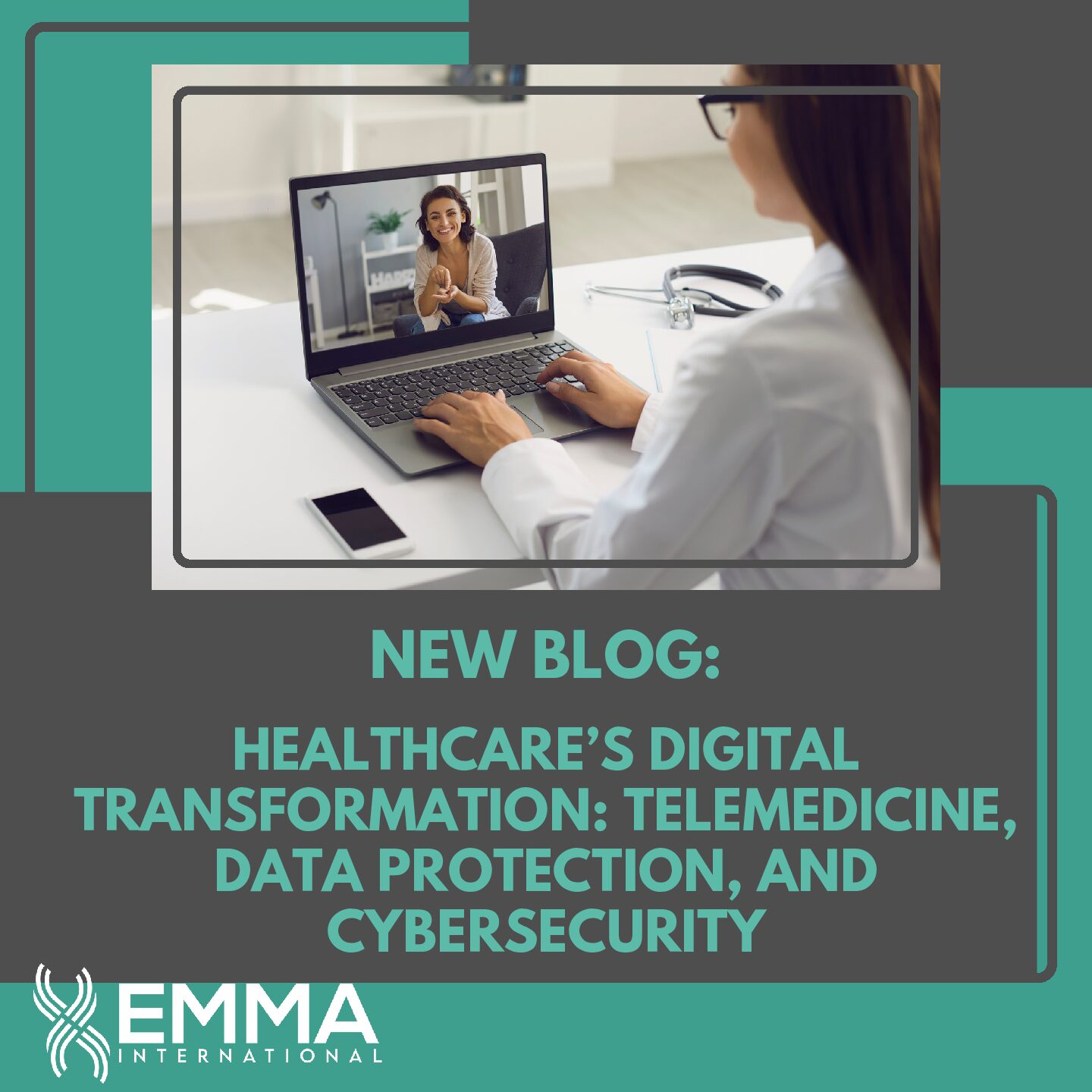
Telemedicine has evolved from a supplemental offering into a foundational component of modern healthcare delivery. Virtual consultations, remote diagnostics, and digital patient engagement have improved access to care, reduced logistical barriers, and supported continuity across care settings. These technologies have become especially valuable in addressing workforce shortages and extending care to underserved populations.
At the same time, telemedicine introduces important considerations related to clinical appropriateness, data integrity, licensure, and regulatory oversight. Determining which services can safely and effectively be delivered virtually — and under what controls — is now a strategic and compliance-driven decision for healthcare organizations operating in regulated environments.
Data Governance and the Role of Electronic Health Records
Data sits at the center of digital healthcare transformation. Electronic health records serve as the backbone of care coordination, enabling real-time access to patient information, reducing errors, and supporting more informed clinical decisions. When implemented effectively, EHR systems improve efficiency and patient outcomes. When poorly governed, they can create data silos, administrative burden, and compliance vulnerabilities.
Interoperability remains a persistent challenge. For digital healthcare ecosystems to function effectively, systems must exchange accurate, timely information across providers, platforms, and care settings. Achieving this requires not only technical integration, but also strong data governance frameworks that address quality, traceability, privacy, and regulatory expectations.
Remote Patient Monitoring and Continuous Care
Remote patient monitoring (RPM) is extending care beyond traditional clinical environments. Wearable devices and connected monitoring tools allow clinicians to track patient health metrics in real time, enabling earlier intervention and more proactive management of chronic conditions. RPM supports improved outcomes while reducing unnecessary hospital admissions and emergency visits.
However, continuous data collection also expands the digital footprint of healthcare organizations. RPM programs must address device validation, data accuracy, patient consent, and long-term data management. Integrating RPM into existing quality systems and risk management processes is essential to maintaining reliability, compliance, and patient trust.
Cybersecurity as a Patient Safety Imperative
As healthcare becomes more digitally connected, cybersecurity has become inseparable from patient safety. Cyber incidents can disrupt care delivery, compromise sensitive patient data, and undermine public trust. The increasing use of connected devices, telehealth platforms, and cloud-based systems has expanded the potential attack surface for healthcare organizations.
Effective cybersecurity requires more than technical controls. It demands a coordinated approach that integrates governance, workforce training, incident response planning, and regulatory compliance. Protecting digital health infrastructure is now a core leadership responsibility, not solely an IT function.
The Role of Standards and System-Level Governance
Digital transformation has reinforced the importance of structured governance and internationally recognized standards. Frameworks such as ISO 13131 for telehealth services provide guidance on clinical governance, data protection, and risk management, helping organizations align innovation with safety and regulatory expectations. These standards enable interoperability, support consistency, and create a foundation for scalable, resilient digital health systems.
How EMMA International Supports Digital Health Transformation
At EMMA International, we support healthcare and life sciences organizations as they navigate digital transformation across telemedicine, data governance, quality systems, and cybersecurity. Our teams help clients design compliant digital health strategies, strengthen quality and risk management frameworks, and align emerging technologies with regulatory expectations. As healthcare continues its digital evolution, EMMA partners with organizations to ensure innovation is supported by resilient systems that protect patients, data, and long-term operational integrity.
For more information on how EMMA International can assist, visit www.emmainternational.com or contact us at (248) 987-4497 or info@emmainternational.com.
Reference:
World Health Organization. Global Strategy on Digital Health 2020–2025.
International Organization for Standardization. ISO 13131:2021 – Telehealth services — Quality planning guidelines. U.S. Department of Health & Human Services. Healthcare Sector Cybersecurity Brief.