The US Food and Drug Administration (FDA) is receiving significant feedback from industry, patient groups, and academic organizations following the release of its updated draft guidance on safety labeling changes (SLCs). Commenters are seeking more clarity on how the agency identifies new safety signals, how labeling decisions are made, and what information FDA will share publicly throughout the process.
Results for "biologics"
Richard Pazdur Appointed Director of FDA’s Center for Drug Evaluation and Research
The U.S. Food and Drug Administration (FDA) has appointed Dr. Richard Pazdur as the new Director of the Center for Drug Evaluation and Research (CDER), following the abrupt resignation of former director George Tidmarsh. The transition marks a major leadership shift for the agency’s largest center, which oversees the regulation of prescription drugs, generics, and therapeutic biologics.
Expanding the FDA’s PreCheck Program: Industry Calls for Broader Inclusion
Pharmaceutical manufacturers and industry organizations are urging the U.S. Food and Drug Administration (FDA) to broaden the scope of its PreCheck program, an initiative designed to encourage domestic pharmaceutical manufacturing. Stakeholders argue that extending eligibility to include existing facilities—not just new ones—would accelerate the program’s impact and strengthen U.S. supply chain resilience.
FDA Proposes to Eliminate Comparative Efficacy Study Requirements for Most Biosimilars
In a major step toward streamlining biosimilar development, the U.S. Food and Drug Administration (FDA) has proposed new draft guidance that could remove the need for comparative efficacy studies (CES) in most biosimilar applications. The move signals a shift toward science-based, analytical methods that rely on advanced testing—reducing the time, cost, and complexity of bringing biosimilars to market.
FDA Publishes NDA Filing Checklist to Prevent Application Delays
The checklist provides sponsors with detailed criteria for submission completeness—criteria that FDA reviewers already use internally to determine whether an application is ready for formal review or subject to a Refuse-to-File (RTF) decision. By making these internal tools public, FDA aims to help sponsors better prepare their applications before submission, saving time and resources for both applicants and reviewers.
This Week at FDA: Leadership Shifts, New Approvals, and Industry Developments
As the government shutdown stretches into its second week, the U.S. Food and Drug Administration (FDA) continues to operate under constrained conditions—managing leadership changes, new product approvals, and emerging regulatory updates. Here’s a look at the most significant developments shaping this week across the FDA and the broader life sciences landscape.
When the Liver Loses Its Edge: New Insights Into Why Regeneration Fails
The liver is one of the body’s most resilient organs. Every day, it works overtime to process alcohol, medications, and even the occasional junk food—quietly repairing itself in the background. But new research suggests that when the damage becomes chronic, the liver can reach a point of no return, losing its extraordinary ability to heal.
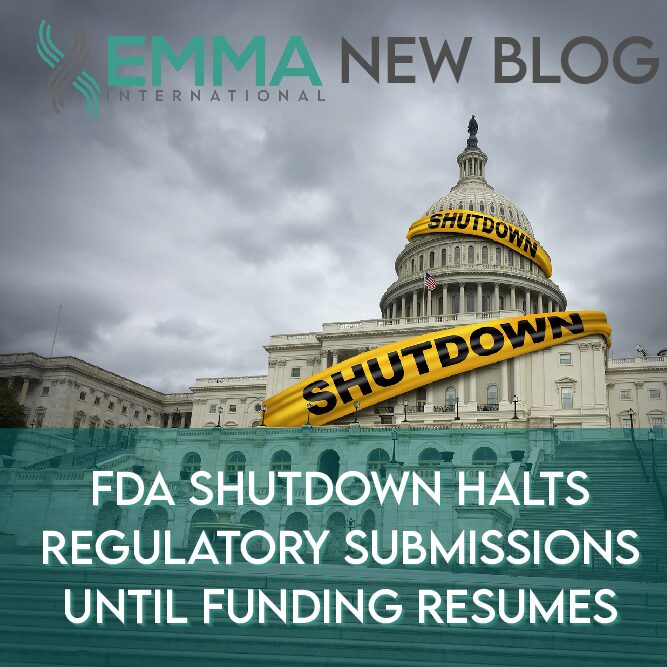
FDA Shutdown Halts Regulatory Submissions Until Funding Resumes
The U.S. Food and Drug Administration (FDA) announced it will not accept regulatory submissions that require user fees during the ongoing government shutdown, which began October 1 after Congress failed to reach a funding agreement. While the agency will continue to conduct mission-critical activities, the pause underscores the vulnerability of regulatory operations during federal funding lapses.
Is Your Breakfast Cereal Really Healthy? A Closer Look Beyond the Box
For decades, ready-to-eat cereals have been marketed as the cornerstone of a “healthy breakfast.” Bright packaging, celebrity endorsements, and claims like “heart healthy” or “part of a balanced diet” line grocery store shelves. But recent studies suggest that many of these cereals may not live up to their healthy image—and for consumers, this raises important questions about transparency in nutrition labeling and food marketing.
FDA Lists Its Upcoming Research Priorities for Generic Drugs
Generic drugs remain essential for healthcare systems worldwide, but evolving formulations, delivery systems, and safety concerns require increasingly sophisticated approaches to regulation. FDA’s updated priorities aim to strengthen scientific understanding, modernize review processes, and make the development of generics more efficient.