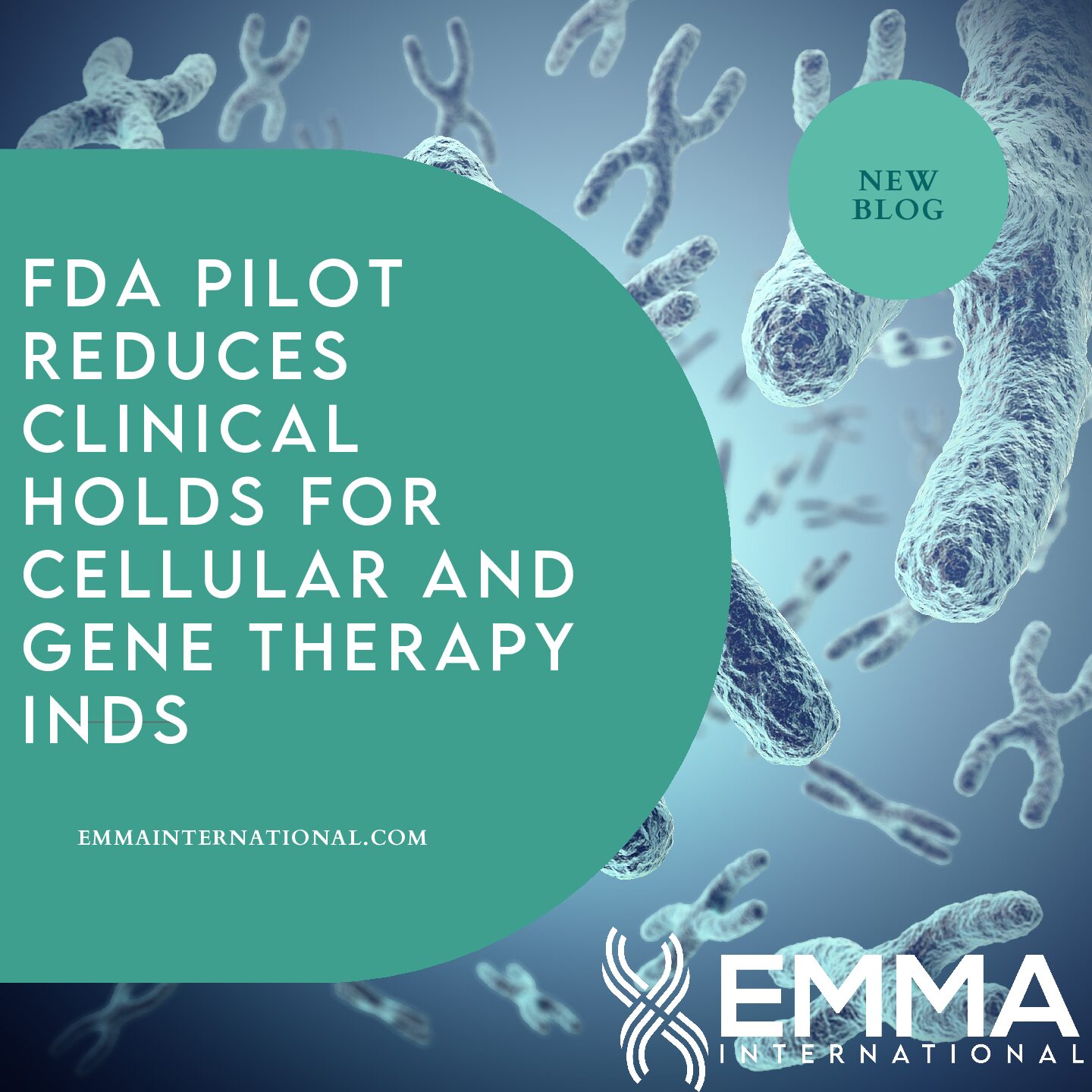
The rapid growth of cellular and gene therapy development has brought groundbreaking opportunities to patients, but it has also introduced new challenges for regulators. The US Food and Drug Administration (FDA) has seen a sharp rise in investigational new drug (IND) submissions, many of which are highly complex. To address this workload and reduce delays, the FDA’s Center for Biologics Evaluation and Research (CBER) reorganized in 2023 to form the Office of Therapeutic Products (OTP). One of OTP’s priorities has been to improve efficiency in reviewing INDs for advanced therapies.
In July 2023, OTP launched a six-month pilot program designed to lower the percentage of INDs placed on clinical hold during the initial 30-day review period. By improving internal communication and working with sponsors earlier in the process, the agency was able to cut clinical hold rates nearly in half.
Why Clinical Holds Matter
A clinical hold is issued when FDA determines that deficiencies in an IND pose risks that must be resolved before a trial can proceed. Reasons may include safety concerns for study participants, insufficient chemistry, manufacturing, and controls (CMC) data, or gaps in the proposed clinical study design. While clinical holds are a critical safeguard, they can also delay potentially life-changing therapies from reaching patients.
Reducing unnecessary holds benefits all stakeholders. Patients gain quicker access to innovative treatments, sponsors avoid costly delays, and FDA resources are used more efficiently. For therapies in rare and life-threatening conditions, even small improvements in review timelines can make a significant difference.
Streamlining IND Review
The pilot introduced structured weekly IND status meetings during Days 14–21 of the review cycle. These meetings brought together reviewers from different disciplines along with leadership to identify deficiencies early. When issues were found, FDA reviewers could bundle requests and communicate them to sponsors sooner, often leaving time to resolve them before the 30-day deadline.
This represented a shift from the traditional process, in which potential holds were often escalated closer to Day 28, leaving little time for correction. The earlier engagement encouraged collaboration and made reviews more predictable.
Results of the Pilot
The impact of the pilot was measurable. In the six months prior, 14.5% of INDs were placed on hold. During the pilot period, that number dropped to 8.2%. Information requests were also issued earlier, with 83% sent by Day 15 during the second half of the program.
Beyond the statistics, the pilot created additional benefits. New FDA reviewers gained opportunities to learn by observing experienced colleagues. Sponsors also reported more clarity in communication, which reduced the uncertainty often associated with IND reviews. Based on these results, OTP has made the weekly review meetings a permanent practice.
Best Practices for Sponsors
While FDA’s reforms have streamlined the process, sponsors also play a vital role in minimizing delays. Practices that can support more efficient reviews include:
- Timely responses: Addressing FDA information requests quickly and thoroughly helps prevent escalation to a hold.
- Clear points of contact: Designating regulatory representatives who are available for quick follow-up is critical, especially during the 30-day review window.
- Pre-IND engagement: Using formal FDA meetings to clarify development plans reduces the risk of deficiencies later.
- High-quality submissions: Ensuring complete CMC and clinical data packages improves the likelihood of a smooth review.
Conclusion
The OTP’s pilot program demonstrates how proactive communication and structured review practices can significantly reduce clinical hold rates in cellular and gene therapy INDs. For sponsors, this underscores the value of collaboration with FDA and the importance of thorough, timely submissions.
At EMMA International, we support life science companies in navigating complex regulatory landscapes, from IND preparation to FDA interactions. By leveraging our team’s expertise, sponsors can strengthen their submissions, avoid costly delays, and bring advanced therapies to patients more efficiently.
For more information on how EMMA International can assist, visit www.emmainternational.com. Contact EMMA International at (248) 987-4497 or by email at info@emmainternational.com to learn more.
References
Tull, L., Boehmer, J., Miller, M., Kallungal, B., Sista, R., & Verdun, N. (2025, August 19). CBER/OTP clinical hold pilot assessment for cellular and gene therapy INDs. Regulatory Affairs Professionals Society.