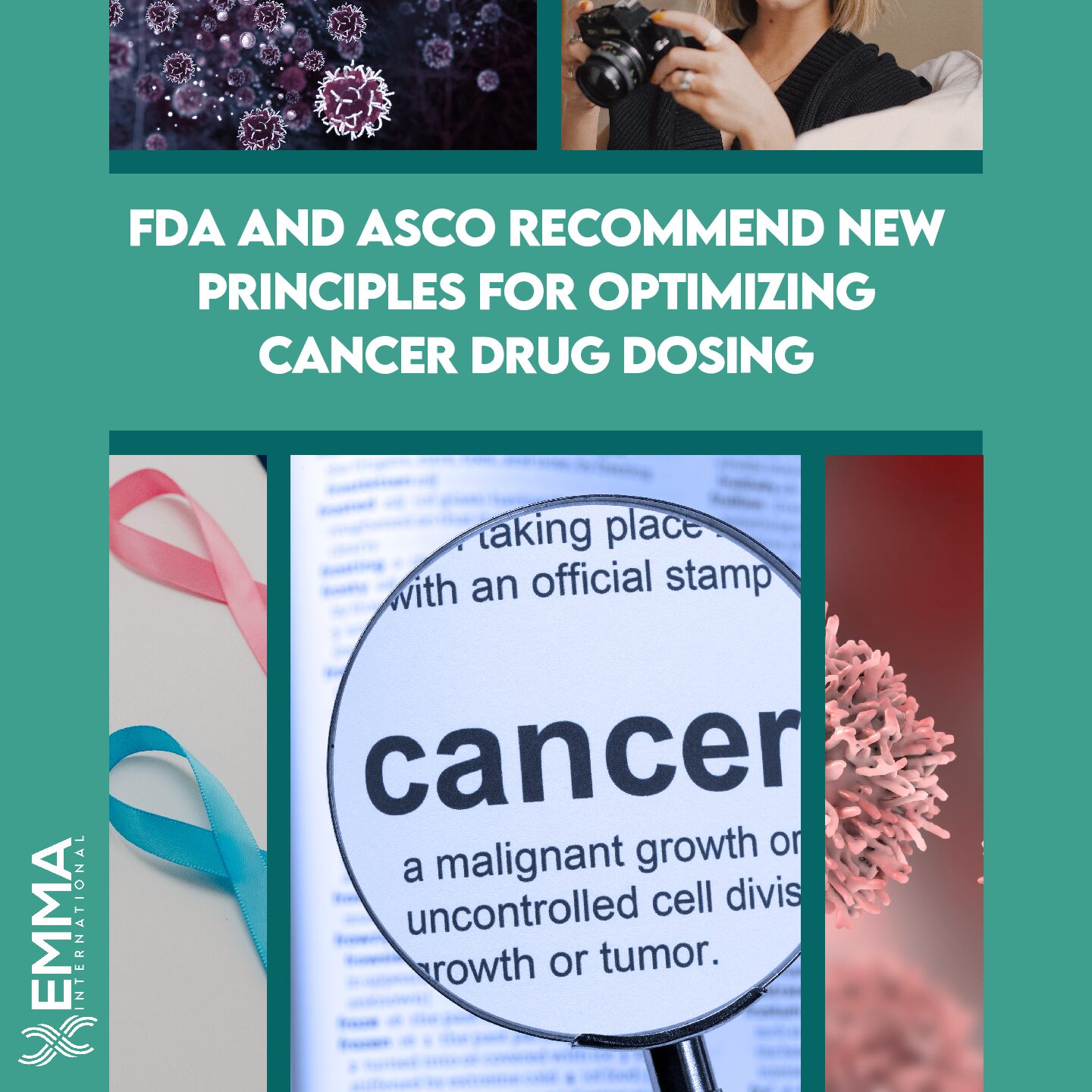
The U.S. Food and Drug Administration (FDA) and the American Society of Clinical Oncology (ASCO) have jointly proposed new principles for determining proper dosing in cancer drug development. Published on July 24, the recommendations encourage developers to move away from traditional maximum tolerated dose (MTD) strategies and adopt a more patient-centered, evidence-based approach.
These principles are designed to reduce long-term toxicity and improve tolerability, which could help ensure more effective and safer treatments for cancer patients. They also reflect growing concern that reliance on MTD can lead to unnecessary harm, regulatory setbacks, and even market withdrawal of promising therapies.
Moving Beyond Maximum Tolerated Dose
Historically, oncology trials have prioritized identifying the highest dose a patient can tolerate without severe adverse effects. While this method can yield strong efficacy signals, it often increases the risk of excessive toxicity. FDA and ASCO note that this approach can derail drug programs by forcing post-market label revisions or discouraging use by prescribers.
The new principles, informed by public workshops and stakeholder feedback held in 2022 and 2023, promote more deliberate and data-rich methods for selecting appropriate doses.
Five Principles for Dosing Optimization
1. Broader Safety and Tolerability Data Collection
Sponsors are urged to collect detailed safety data, including low-grade toxicities, frequency and timing of adverse events, and the full spectrum of tolerability concerns. This data supports a more accurate understanding of how patients respond to different dosage levels.
2. Tailored Dosing Strategies Based on Drug and Patient Characteristics
Dosing plans should consider the drug’s molecular structure, therapeutic index, pharmacodynamics, and safety profile. Sponsors are also encouraged to account for patient-specific variables such as age, race, comorbidities, and disease frequency. Trial designs should allow for characterization of dose-response and exposure-response relationships through appropriately sized patient cohorts.
3. Use of Modern Trial Designs
FDA and ASCO recommend model-based and model-assisted trial designs to replace traditional dose-escalation methods. These approaches can identify optimal dose ranges rather than defaulting to the highest tolerable level. Phase I trials should aim to establish a dosage window that balances efficacy and safety, followed by dose-ranging phase II studies to refine selection.
4. Expanded Eligibility Criteria for Generalizability
Clinical trials often exclude patients with specific conditions or characteristics, which can limit the applicability of results. The agencies recommend broadening eligibility in dosage optimization trials so that findings are relevant to the real-world populations that will eventually receive the therapy.
5. Enhanced Clinical Pharmacology Analyses
Understanding the relationship between dosage, exposure, efficacy, and toxicity is essential. The FDA and ASCO suggest that sponsors incorporate population pharmacokinetic studies and longitudinal data collection, especially for oral therapies. These data help assess variability in exposure and improve predictions of therapeutic index. The FDA’s Division of Pharmacometrics is available to advise sponsors when pharmacokinetic data is limited.
A Modern Approach to Oncology Drug Development
These proposed principles represent a shift toward a more scientifically rigorous and patient-informed framework for oncology drug development. FDA and ASCO emphasize that aligning dose selection with both efficacy and tolerability will not only protect patients but also reduce regulatory risk for manufacturers.
At EMMA International, we help life science companies design and implement regulatory strategies that support modern drug development. Whether navigating FDA guidance, optimizing clinical trial protocols, or managing submission data, our experts provide the insights needed to meet today’s evolving standards.
For more information on how EMMA International can assist, visit www.emmainternational.com. Contact EMMA International at (248) 987-4497 or by email at info@emmainternational.com to learn more.
References
Al-Faruque, F. (2025, July 28). FDA, ASCO propose principles for proper dosing in cancer drug development. Regulatory News.