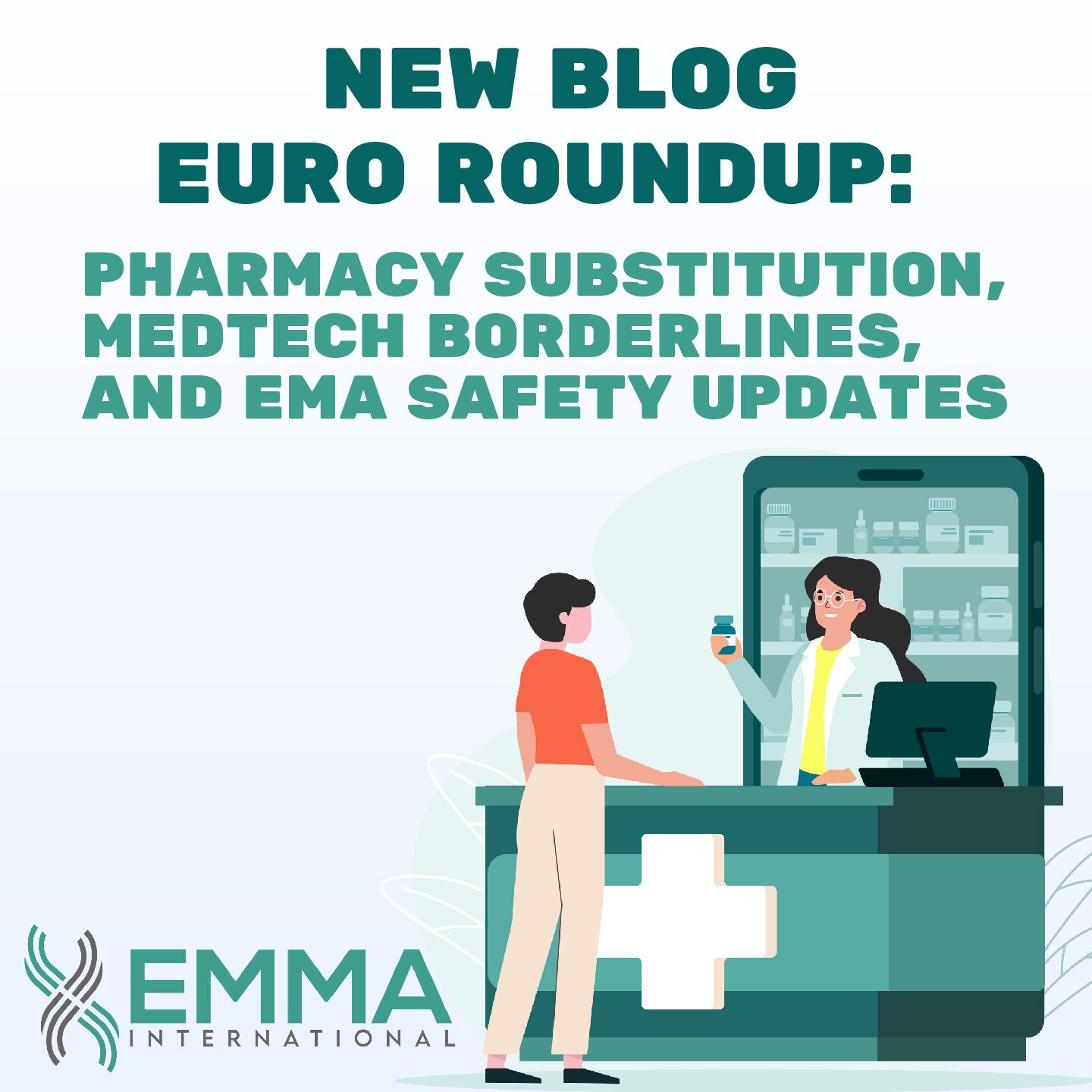
The European regulatory landscape is shifting quickly, with new proposals and updates designed to strengthen patient access, ensure safe use of medicines, and clarify oversight of emerging technologies. This week’s developments highlight the evolving role of pharmacists, the complexities of classifying borderline products, and the continued fight against falsified medicines.
UK Considers Pharmacy-Level Substitution to Tackle Shortages
The UK government is preparing to consult on a proposal that would allow community pharmacists to supply an alternative strength, formulation, or quantity of a medicine when the prescribed product is unavailable.
Pharmacy groups, including the Company Chemists’ Association (CCA) and the National Pharmacy Association (NPA), have voiced strong support for this change. A recent NPA survey revealed that 97% of pharmacies had to delay prescriptions because they were required to request a new script from prescribers, despite having safe alternatives in stock. These delays have caused distress for patients managing chronic conditions and, in some cases, led to emergency interventions.
The reform, if adopted, would give pharmacists greater flexibility and help patients avoid unnecessary delays during shortages—potentially reducing risks to safety and continuity of care.
MDCG Clarifies Medtech Borderline Classifications
The Medical Device Coordination Group (MDCG) has released the fourth edition of its borderline products manual, clarifying the regulatory status of five additional products. Among the newly addressed items are dual-action creams with menthol and capsaicin, red blood cell additive solutions, sterile air systems, and dental stain removers.
These updates help manufacturers better determine whether products fall under EU medical device regulations or other categories, ensuring consistent classification across member states. For companies developing innovative products at the intersection of health technologies, these clarifications are critical for regulatory planning.
EMA Sets Timeline for Revised GVP Module IX
The European Medicines Agency (EMA) has updated its guidance on pharmacovigilance, confirming that a revised Good Pharmacovigilance Practices (GVP) Module IX on signal management will be implemented in Q2 2026.
This update follows the end of EMA’s EudraVigilance pilot program and provides marketing authorization holders with a clearer timeline for compliance. Companies with products in Northern Ireland will also need to monitor EudraVigilance data, reflecting the region’s ongoing alignment with EU drug safety rules.
EU Launches OTC Medicine Awareness Campaign
The Heads of Medicines Agencies (HMA) launched its first joint public awareness campaign, reminding patients that “medicines are not sweets.” Using eye-catching visuals of pills in candy dispensers, the campaign emphasizes the importance of reading patient leaflets, following instructions, and using over-the-counter (OTC) drugs responsibly.
With OTC use crossing borders across Europe, the campaign represents a coordinated effort to reduce misuse, dependence, and side effects from improper use of common medicines.
Ireland Reports Spike in Illegal Medicine Seizures
Ireland’s Health Products Regulatory Authority (HPRA) reported a 14% increase in illegal medicine seizures in 2024, processing more than 1 million dosage units. Anabolic steroids made up one-fifth of the seized products, followed by sedatives, erectile dysfunction treatments, and painkillers.
The HPRA initiated nearly 5,000 enforcement cases last year, including two criminal prosecutions. Authorities stressed the need for continued vigilance to protect patients from falsified and unsafe products entering the supply chain.
The Bigger Picture
These updates underscore Europe’s focus on patient safety, regulatory clarity, and supply chain resilience. From empowering pharmacists in the UK to expanding EMA pharmacovigilance requirements and tackling falsified medicines, regulators continue to adapt to evolving challenges in healthcare delivery.
At EMMA International, we monitor these global regulatory shifts to help our clients remain compliant and resilient. Whether navigating EU medical device classifications, preparing for pharmacovigilance updates, or managing supply chain risks, our team provides the expertise to keep your operations aligned with evolving international standards.
For more information on how EMMA International can assist, visit www.emmainternational.com. Contact EMMA International at (248) 987-4497 or by email at info@emmainternational.com to learn more.