FDA has introduced a new program for medical devices and for device led combination products. Under this program are...
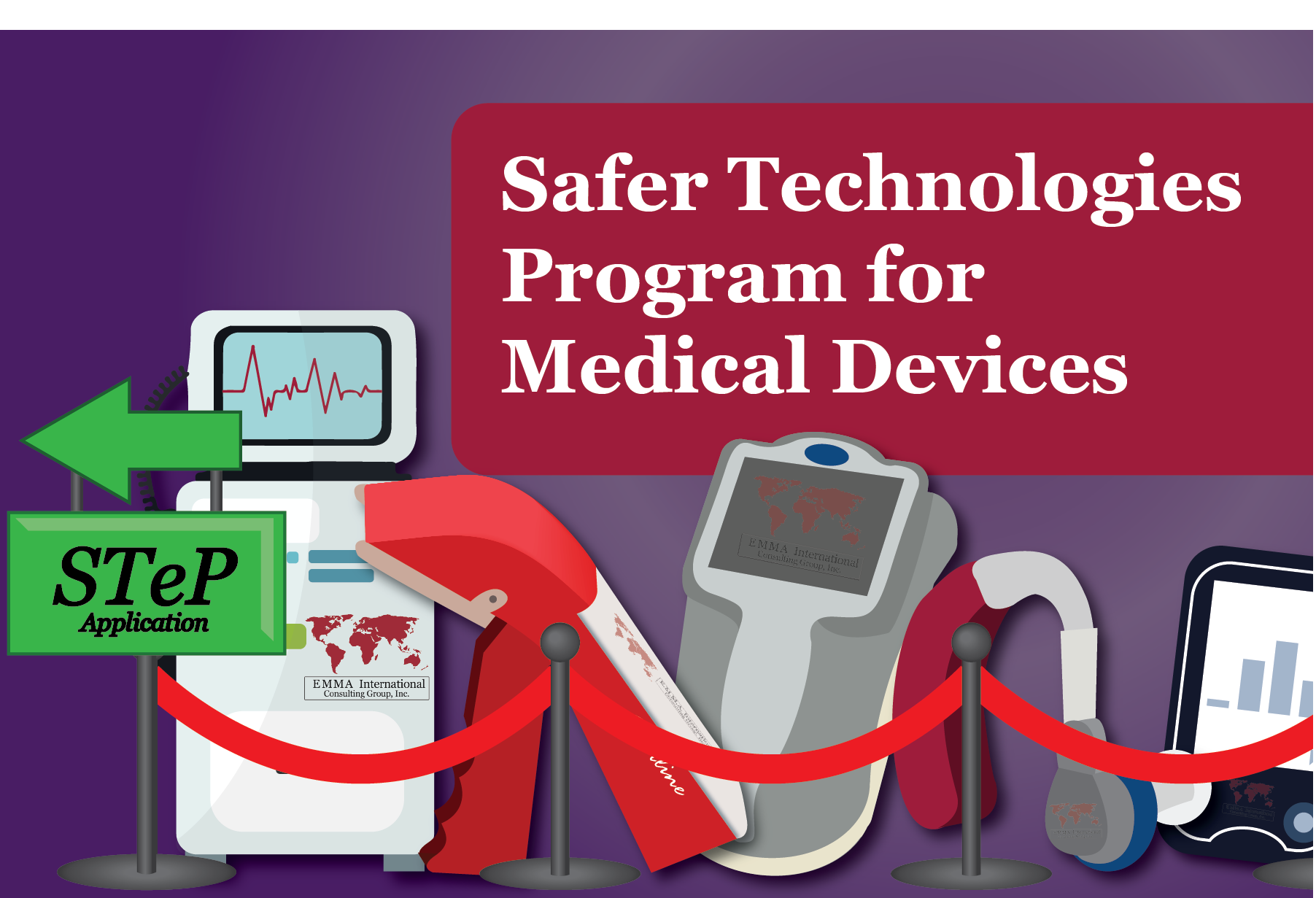
FDA has introduced a new program for medical devices and for device led combination products. Under this program are...
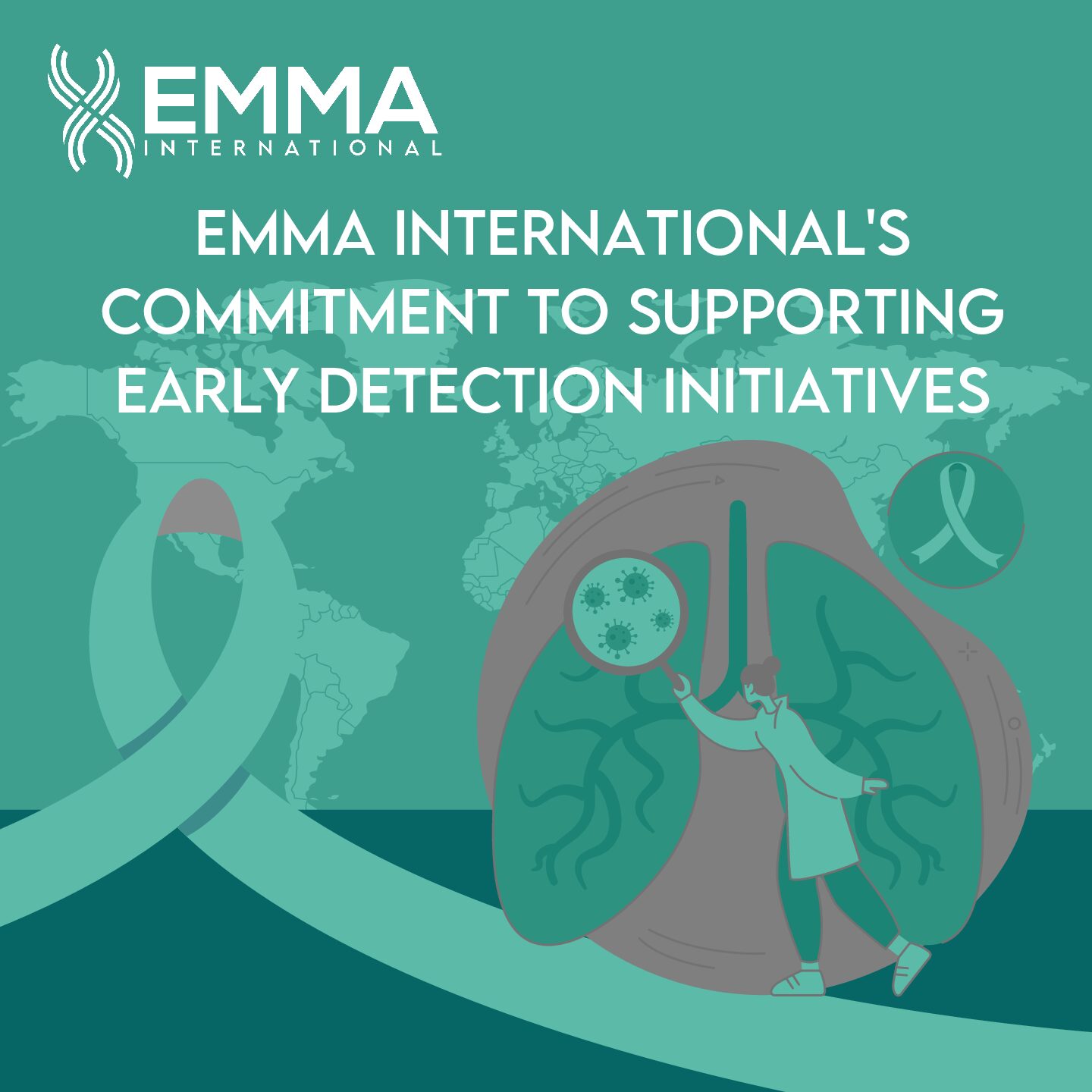
Prostate cancer has emerged as the most commonly diagnosed cancer among men in the UK, with about 1 in 8 men affected during their lifetime. Early detection is vital as it significantly boosts survival rates and enhances treatment outcomes. Cutting-edge diagnostics, such as Oxford BioDynamics’ EpiSwitch PSE blood test—which boasts a remarkable 94% accuracy rate—are setting new standards in early prostate cancer diagnosis, outperforming traditional tests like the PSA.

Unlike traditional pharmaceutical or medical device products, combination products must satisfy multiple regulatory frameworks simultaneously, requiring close collaboration between quality, regulatory affairs, engineering, manufacturing, and clinical teams. As regulatory agencies continue to emphasize quality systems, risk management, human factors, and lifecycle oversight, organizations must adopt integrated compliance strategies to successfully bring these products to market.

Navigating compliance in a complex global landscape

Across regulated industries, digital traceability is no longer viewed as a strategic enhancement. It is quickly becoming a regulatory expectation. From pharmaceuticals and medical devices to aerospace, defense, and advanced manufacturing, oversight bodies are placing greater emphasis on transparency, data integrity, and real-time visibility into operations.
Full Stack EngineerAre you passionate about AI and excited to build a platform from the ground up? EMMA International...

Telemedicine has evolved from a supplemental offering into a foundational component of modern healthcare delivery. Virtual consultations, remote diagnostics, and digital patient engagement have improved access to care, reduced logistical barriers, and supported continuity across care settings. These technologies have become especially valuable in addressing workforce shortages and extending care to underserved populations.
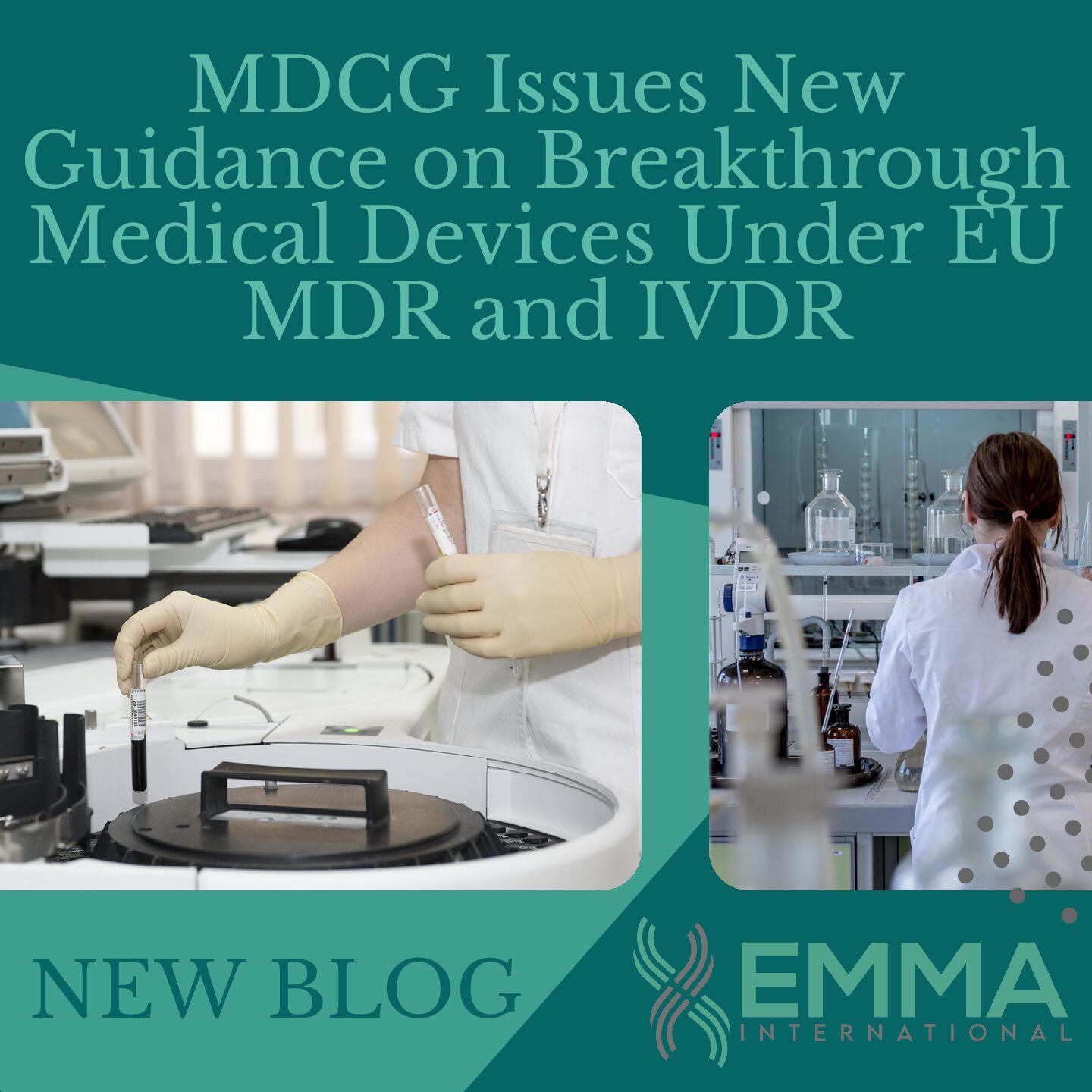
The European Commission’s Medical Device Coordination Group (MDCG) has issued new guidance clarifying how medical devices and in vitro diagnostics can qualify as breakthrough devices under the EU Medical Device Regulation (MDR) and the In Vitro Diagnostic Regulation (IVDR). The guidance establishes a formal EU-level framework intended to support innovative technologies while maintaining robust clinical and performance evidence requirements.

Industry groups are calling for the withdrawal of multiple draft guidances related to 510(k) submissions and the evaluation of medical devices that generate tissue heating or cooling. Commenters argue that the documents are overly broad, inconsistent with longstanding regulatory practices, and risk imposing burdens that could slow medtech innovation.

Artificial intelligence (AI) continues to revolutionize healthcare, transforming how data is interpreted, diagnoses are made, and patient care is delivered. However, with these advancements come new regulatory challenges—particularly around ensuring safety, performance, and reliability over time. To address these issues, the U.S. Food and Drug Administration (FDA) has released a discussion paper through its Center for Devices and Radiological Health (CDRH), seeking public feedback on how to assess AI-enabled medical devices across their entire product lifecycle.