Author: Shelby Whitelaw
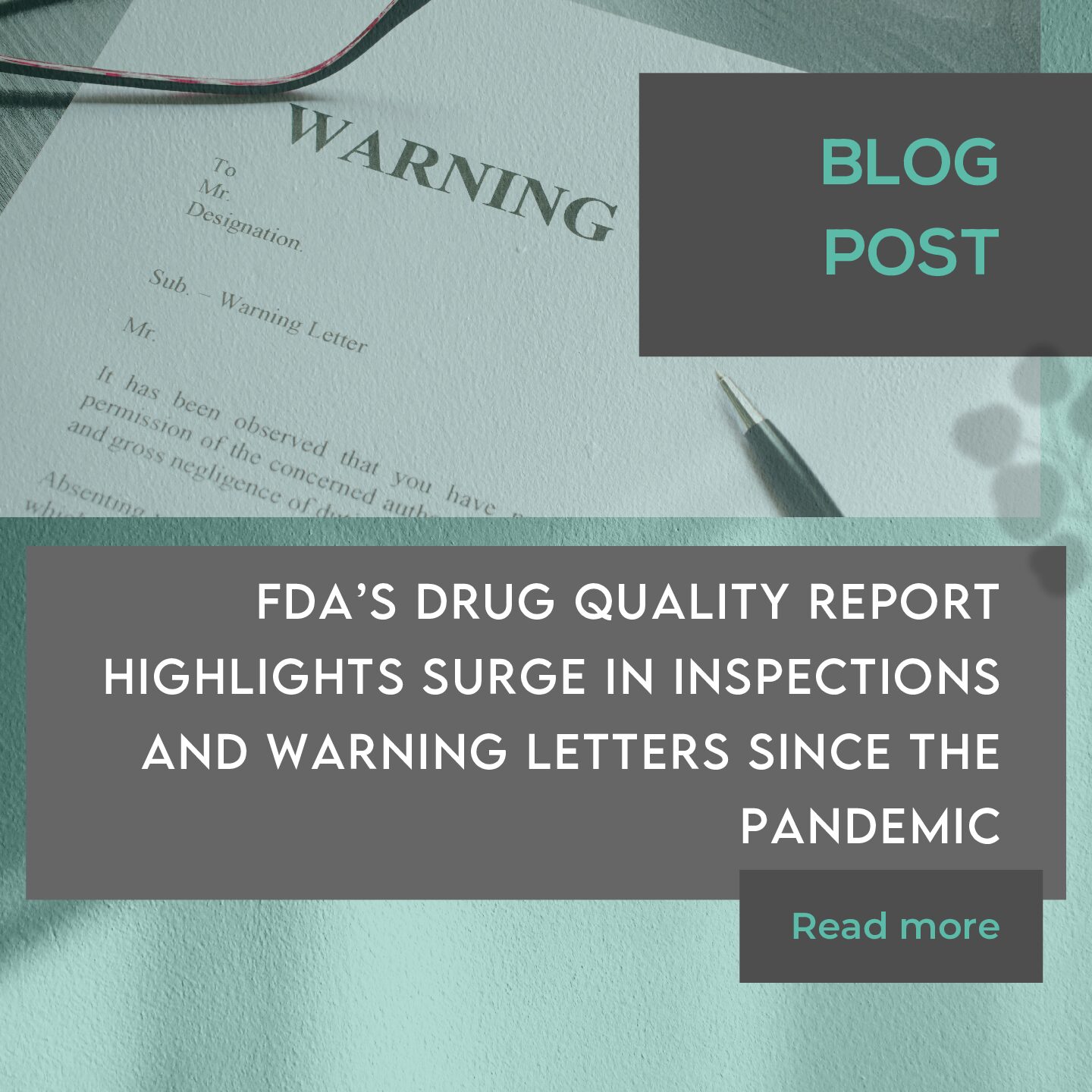
The U.S. Food and Drug Administration’s (FDA) Office of Pharmaceutical Quality (OPQ) has released its seventh annual State of Pharmaceutical Quality report, revealing a marked increase in both foreign and domestic inspections since the COVID-19 pandemic. The data underscores a shift toward heightened regulatory oversight, with significant implications for manufacturers worldwide.
FDA’s site catalogue now lists 4,619 manufacturing sites globally, an 11% increase over the past five years. Of these, 41% are based in the United States, with the remainder located abroad. Notably, China, Spain, Germany, India, and South Korea all saw site growth exceeding 15%.
Inspection activity has accelerated sharply. In FY2022, the FDA conducted 522 drug quality assurance inspections. That number rose to 766 in FY2023 and 972 in FY2024. More than 62% of inspections in FY2024 were conducted at foreign sites—an all-time high. The increase was most pronounced in India and China, where 34% and 28% of registered sites, respectively, were inspected. By comparison, only 24% of U.S. sites in the catalogue underwent inspection in the same period.
Mutual Recognition Agreement (MRA) inspections have also increased steadily, reaching a record 198 in FY2024. These agreements allow FDA to rely on the inspectional findings of certain trusted foreign regulatory partners, streamlining oversight while maintaining quality standards.
Alongside this inspection uptick, FDA issued 105 warning letters to human drug manufacturing sites in FY2024—the highest number in five years. The majority were inspection-based, with a 21% increase from FY2023. Foreign facilities accounted for a growing share of these letters, in part due to the increased inspection focus overseas. In China, however, many warning letters were linked to deficiencies found through §704(a)(4) records requests rather than in-person inspections.
South Korea drew attention for a cluster of enforcement actions against over-the-counter (OTC) monograph drug manufacturers. Nine facilities received warning letters in FY2024, with six cited for failing to test drug components for toxic substances such as diethylene glycol (DEG), ethylene glycol (EG), or methanol.
Inspection outcomes varied significantly by region. Europe had the highest rate of No Action Indicated (NAI) or Voluntary Action Indicated (VAI) findings at 98%, while India had the lowest at 87%. The United States reported a 92% NAI/VAI rate, and China stood at 93%.
Import alerts—measures preventing the entry of noncompliant products into the U.S.—were highest for China, which accounted for 39% of all alerts despite representing a relatively small portion of total foreign sites. More than 60% of FY2024 quality-related import alerts were based on deficiencies uncovered through records requests. For OTC drug manufacturers, the most common trigger was inadequate testing for harmful contaminants, while non-sterile API producers were often cited for failing to respond to FDA requests for information.
Recalls also increased in FY2024. The agency reported 165 recall events—15% more than in FY2023—though the total number of recalled products per event was at its lowest level in five years. The leading causes of recalls were microbial contamination (31%), sterility assurance failures (28%), and contamination with foreign materials or particulates (20%).
These findings highlight a more aggressive enforcement posture from the FDA, particularly toward overseas facilities. Manufacturers should be prepared for more frequent inspections, stricter oversight of supply chain controls, and heightened scrutiny of documentation and quality systems.
At EMMA International, we specialize in helping life sciences companies navigate this evolving regulatory landscape. From pre-inspection readiness assessments to remediation support following warning letters, our team works to ensure that organizations meet FDA and international compliance requirements. With expertise spanning Good Manufacturing Practice (GMP) compliance, quality management systems, and global regulatory strategy, we help clients build and maintain robust quality programs that withstand increased inspection activity and safeguard market access.
For more information on how EMMA International can assist, visit www.emmainternational.com. Contact EMMA International at (248) 987-4497 or by email at info@emmainternational.com to learn more.
References
U.S. Food and Drug Administration, State of Pharmaceutical Quality Report – Fiscal Year 2024, August 2025.