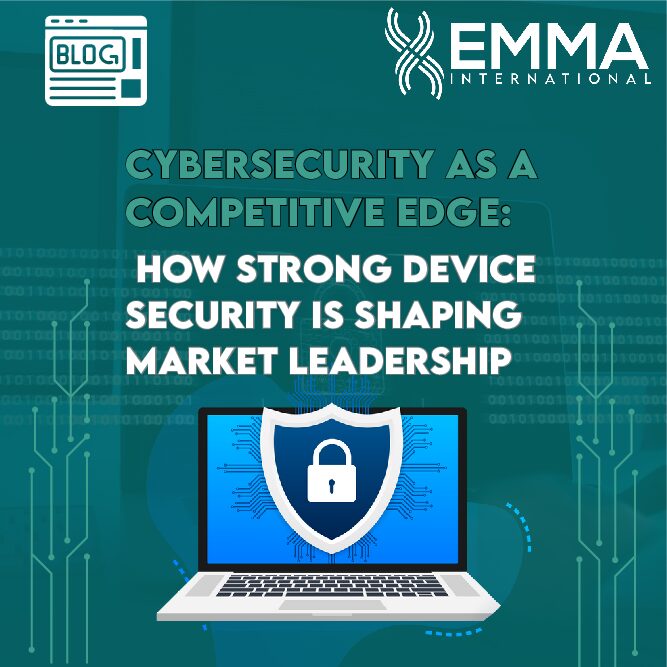
As the medical device industry becomes increasingly connected, cybersecurity has evolved from a compliance requirement to a key market differentiator. At the 2025 MedTech Conference in San Diego, industry experts and regulators underscored a clear message: organizations that invest in proactive cybersecurity are not only protecting patients—they’re also gaining a competitive advantage.
From Regulatory Obligation to Market Expectation
Cybersecurity is no longer just a best-practice recommendation. Following the Food and Drug Omnibus Reform Act of 2022, the FDA now has explicit authority to enforce medical-device cybersecurity requirements under Section 3305. Manufacturers are expected to demonstrate lifecycle management, postmarket vulnerability handling, and robust processes for disclosure and risk mitigation.
“There’s a little less carrot and a lot more stick now,” said Michelle Jump, CEO of MedSec, during the conference’s cybersecurity panel. She explained that many manufacturers are now facing more scrutiny as they update or resubmit legacy devices that were developed years before modern security standards were established.
The FDA’s expectations now include:
- Maintaining assurance of cybersecurity throughout the product lifecycle.
- Implementing coordinated vulnerability disclosure programs.
- Providing a software bill of materials (SBOM) to document all digital components.
- Addressing critical vulnerabilities promptly and transparently.
While these requirements can feel burdensome, Jump urged companies to view them as a business opportunity. According to the Health Information Sharing and Analysis Center (H-ISAC), cybersecurity readiness is now influencing hospital purchasing decisions—and 79% of healthcare organizations say they are willing to pay a premium for devices with advanced security protections.
Cybersecurity as a Business Differentiator
Joel Cardella, Director of Product Security at Stryker, emphasized that many hospital networks—particularly smaller institutions—remain vulnerable to attacks. Medical device manufacturers, he said, have an ethical and commercial imperative to help reduce that risk.
“Cybersecurity isn’t just about meeting regulations,” he said. “It’s about building trust. Hospitals are choosing products that help them stay protected.”
Indeed, the H-ISAC survey revealed that:
- 83% of hospitals include cybersecurity standards in their RFPs.
- Nearly half have declined purchases due to cybersecurity concerns.
- 41% would pay up to 15% more for enhanced protection.
In today’s market, robust cybersecurity is becoming a deciding factor in procurement, signaling that device security may soon carry the same weight as clinical performance or price.
A Shared Responsibility Across the Ecosystem
Andy Sargent, Senior Director of IT and Product Security at SpaceLabs, noted that long-term device protection must be a shared responsibility between manufacturers and customers. He stressed the importance of setting clear expectations for product support timelines, updates, and postmarket monitoring.
“Cybersecurity is not going away,” Sargent said. “We’re part of a global critical-infrastructure ecosystem. Managing it will require ongoing collaboration among manufacturers, providers, and regulators.”
The EMMA International Perspective
At EMMA International, we view cybersecurity as an essential component of quality and regulatory excellence. Beyond compliance, a strong cybersecurity framework demonstrates an organization’s commitment to patient safety, data integrity, and sustainable innovation.
Our team helps medical-device manufacturers develop and maintain risk-based cybersecurity programs that align with FDA and international expectations. From SBOM development to vulnerability management and lifecycle documentation, we support clients in transforming cybersecurity from a regulatory burden into a strategic advantage.
In an increasingly digital world, trust is earned through security. Companies that embed cybersecurity into their design and quality culture will not only meet global standards—they’ll define them.
For more information on how EMMA International can assist, visit www.emmainternational.com or contact us at (248) 987-4497 or info@emmainternational.com.
Reference:
Al-Faruque, F. (2025, October 8). Strong medical device cybersecurity can be a market differentiator, experts say. Regulatory Affairs Professionals Society.