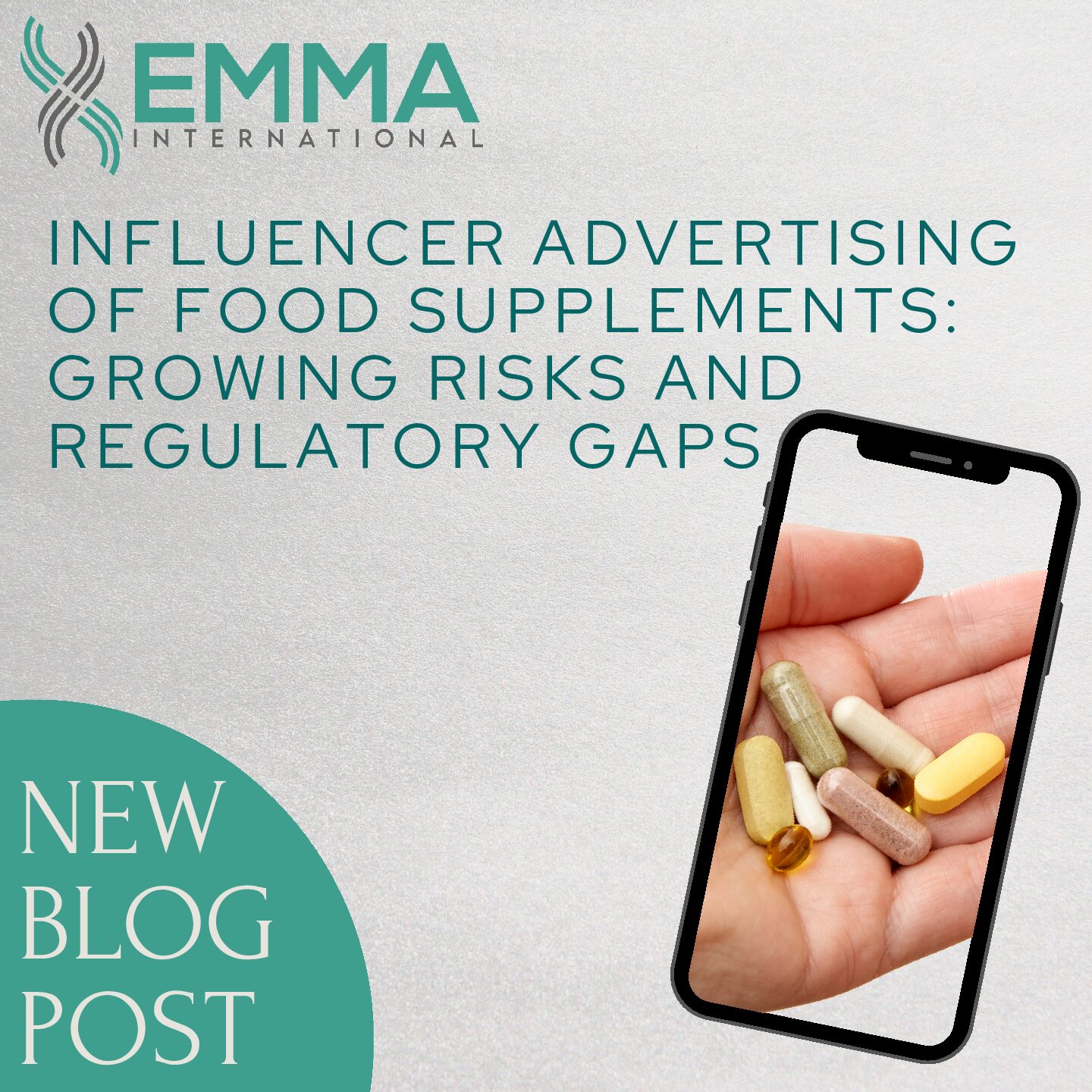
Influencer-driven marketing has become one of the most powerful forces in the food supplement industry, particularly across Germany and the broader European market. As social media continues to shape consumer behavior, regulators and health advocates are raising concerns about misleading claims, excessive dosages, and insufficient transparency in online advertising. The rapid growth of this sector has exposed significant gaps in consumer protection, especially for younger audiences who rely heavily on influencer recommendations.
A Market Growing Faster Than Regulation
Food supplement use in Germany is increasing steadily. Recent surveys indicate that more than half of adults have purchased supplements within the last six months, even though scientific studies show that most people already receive adequate nutrients from their diet. Despite this, social media content often positions vitamins, powders, and herbal blends as essential for beauty, performance, or wellness.
Influencers play a major role in this dynamic. Many have audiences in the hundreds of thousands and operate without the training, ethical obligations, or oversight imposed on traditional media. Studies show that the majority do not properly label paid advertising, even when promoting supplements that fall under strict European food and health claim regulations.
Misleading Health Claims and Dosage Risks
Health authorities have identified widespread issues in influencer advertising, including unapproved health claims and dosage recommendations that exceed scientifically supported limits. Some products promoted online contain ingredients such as melatonin, ashwagandha, curcumin, or monacolin K, which may be inappropriate or unsafe for certain populations.
Emerging trends such as “melatonin moms” — which encourage parents to give melatonin supplements to children without medical supervision — illustrate the potential health risks. Consumer groups warn that these products can cause harm and may also delay necessary medical care when individuals rely on influencer guidance rather than consulting healthcare providers.
Gaps in Platform Responsibility and Enforcement
Regulators are increasingly focused on the role digital platforms play in hosting and amplifying influencer content. The EU Digital Services Act requires platforms to review and remove illegal or unsafe content, protect minors, and ensure advertising transparency. However, studies show that required product information is often inaccessible, particularly for items sold through third-party sellers outside the EU.
Enforcement remains challenging. Food control authorities lack staffing, digital tools, and regulatory alignment needed to monitor thousands of evolving posts across multiple platforms. Even when violations are reported, investigations can take years, allowing products to remain on the market unchecked.
A Need for Stronger Consumer Protection
Consumer organizations are calling for coordinated European action to address gaps in oversight, including clearer advertising standards, improved platform accountability, and better resourcing for enforcement. Ensuring that health-related content is evidence-based and accurately labeled is essential to protect consumers from financial harm and health risks.
Young audiences are particularly vulnerable, as many cannot easily differentiate between genuine recommendations and commercial partnerships. Without strengthened protections, consumers may continue to face misleading health claims, inappropriate product recommendations, and unclear safety information.
At EMMA International
EMMA International partners with life-science and consumer health companies to create compliant, transparent, and responsible product strategies. Our team supports organizations in navigating EU and global regulatory requirements, developing clear labeling and claim substantiation processes, and building quality systems that safeguard consumers.
For more information on how EMMA International can assist, visit www.emmainternational.com or contact us at (248) 987-4497 or info@emmainternational.com.
Reference:
Federal Institute for Risk Assessment. (2024). Health risks from excessive intake of vitamins and minerals in food supplements. https://www.bfr.bund.de
European Food Safety Authority. (2023). Tolerable upper intake levels for vitamins and minerals. EFSA Journal, 21(4). https://efsa.europa.eu
Federation of German Consumer Organisations (VZBV). (2025). Influencer advertising of food supplements: Consumer protection challenges in digital markets. https://www.vzbv.de