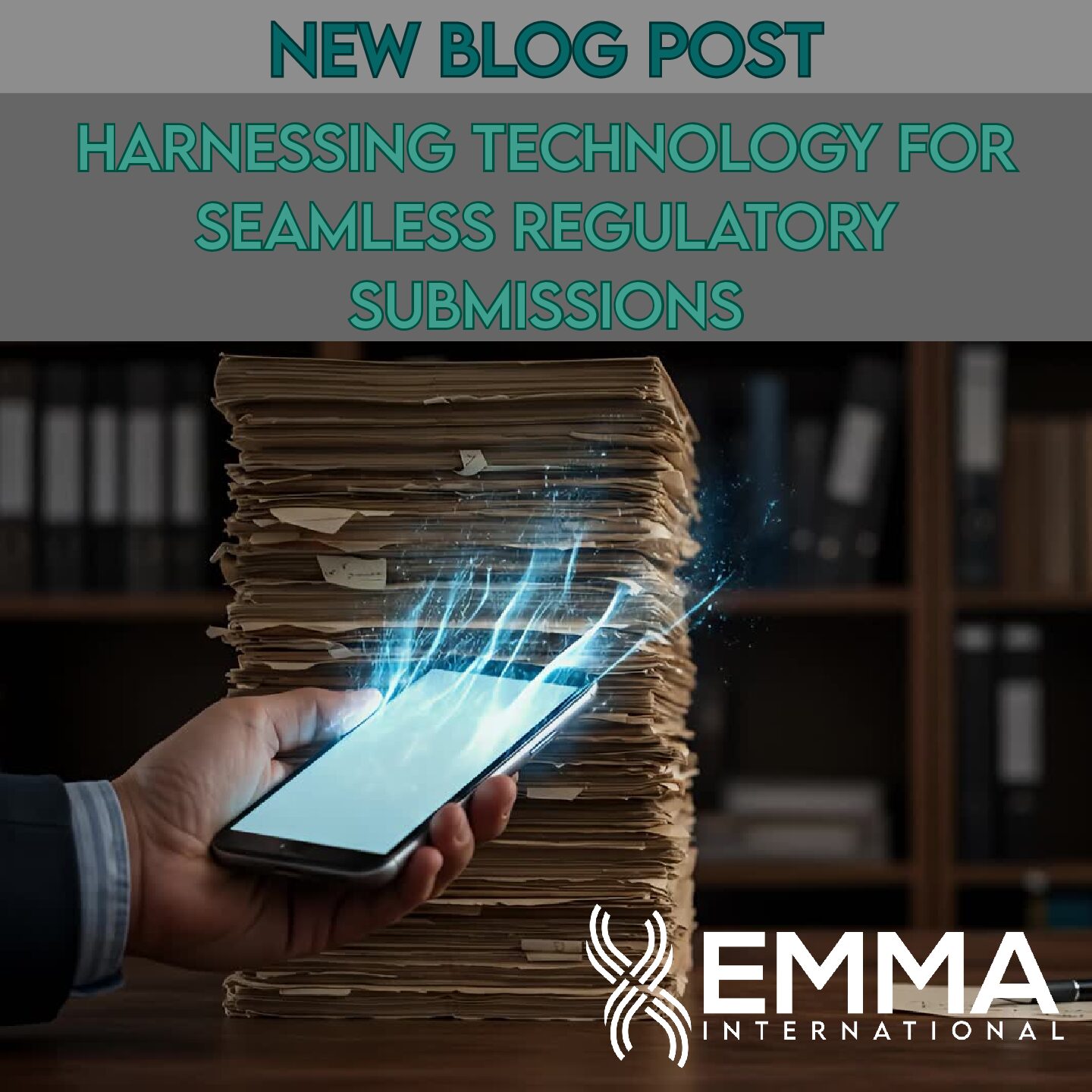
In the high-stakes world of pharmaceuticals and life sciences, regulatory submissions are the final gateway between development and patient access. Yet, this critical step is often bogged down by complexity—mountains of documents, global variations in requirements, manual formatting errors, and the looming risk of costly delays.
Today, technology has shifted from being a helpful tool to the central nervous system of an efficient regulatory operations strategy. By embedding technology across every stage of the submission process, life sciences companies can transform regulatory submissions from tedious, fragmented workflows into streamlined, compliant, and predictable systems.
Stage 1: Intelligent Document Creation
Every submission starts with source documents. Inconsistencies in formatting and style can quickly snowball into rework and compliance issues.
Technology in Action:
- Automated Templates ensure every document—from clinical study reports to CMC sections—meets health authority standards from the start.
- AI-enabled Quality Checks automatically review documents for formatting, pagination, and compliance, cutting down hours of manual work and reducing errors.
Stage 2: Smarter eCTD Publishing
Assembling an electronic Common Technical Document (eCTD) is notoriously complex. Thousands of hyperlinks, metadata entries, and cross-references must be precise.
Technology in Action:
- Advanced Publishing Platforms automate XML backbone creation and metadata assignment.
- AI-Powered Hyperlinking tools can scan documents to automatically generate clean, regulator-friendly navigation.
Stage 3: Automated Validation and Submission
A single validation error can send an entire submission back, costing weeks—or months.
Technology in Action:
- Built-in Validation Engines provide real-time “pass/fail” reports against FDA, EMA, and Health Canada requirements.
- Secure Gateways enable seamless, compliant transfer of submission files while maintaining a full audit trail.
Stage 4: Lifecycle Management with RIMS
Submissions don’t stop at approval. Renewals, post-approval variations, and safety updates across multiple regions can overwhelm companies without centralized oversight.
Technology in Action:
- Regulatory Information Management Systems (RIMS) act as a single source of truth, connecting submission planning, product data, and regulator interactions into one integrated platform.
The EMMA International Advantage
At EMMA International, we know that technology alone isn’t enough—it must be paired with deep regulatory expertise. Our consultant’s partner with clients to design technology-enabled submission strategies that are both compliant and efficient.
Here’s how we help:
- Regulatory Technology Integration – Aligning eCTD tools, RIMS, and AI-powered platforms with your submission processes.
- Compliance Strategy – Ensuring automation is validated and meets FDA and international requirements.
- Global Readiness – Supporting submissions across multiple health authorities, from the FDA and EMA to PMDA and beyond.
- End-to-End Support – From document preparation through post-approval lifecycle management.
Conclusion
In 2025 and beyond, relying on manual processes for regulatory submissions is not just outdated, it’s risky. By embracing technology-driven strategies, companies can reduce errors, speed up timelines, and ensure smoother approvals.
With EMMA International as your partner, regulatory submissions become more than a compliance requirement—they become a strategic advantage.
For more information on how EMMA International can assist, visit www.emmainternational.com. Contact EMMA International at (248) 987-4497 or by email at info@emmainternational.com to learn more.ainternational.com to learn more.8). FDA finalizes guidance on therapeutic protein biosimilars.