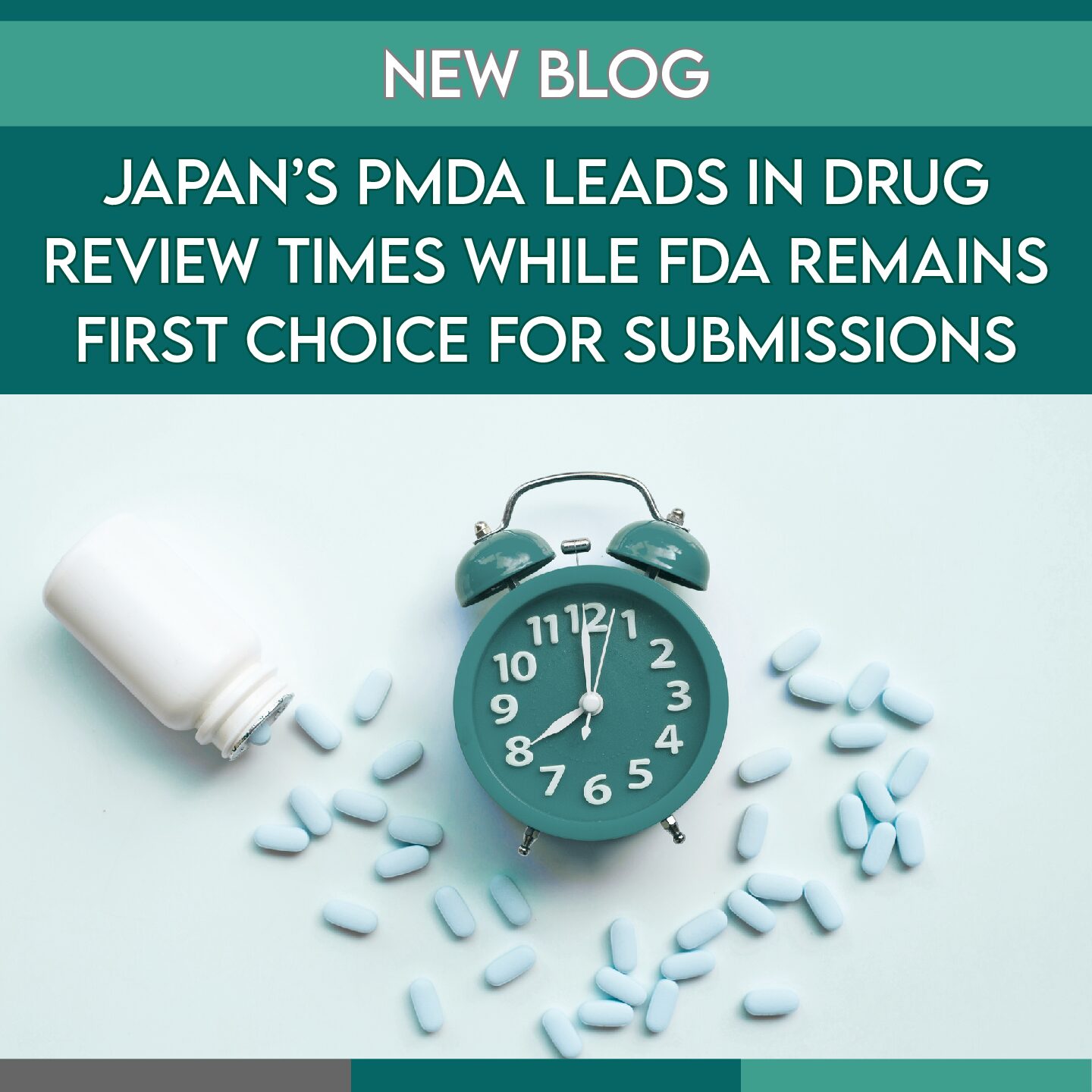
Global drug development depends not only on innovation but also on the efficiency of regulatory review. A recent analysis by the Center for Innovation in Regulatory Science (CIRS) compared approval timelines across six major regulatory agencies between 2015 and 2024. The findings show Japan’s Pharmaceuticals and Medical Devices Agency (PMDA) leading the way in review speed, while the U.S. Food and Drug Administration (FDA) remains the first submission destination for most sponsors.
PMDA’s Record Speed
Among the agencies studied—PMDA, FDA, the European Medicines Agency (EMA), Health Canada, Swissmedic, and Australia’s Therapeutic Goods Administration (TGA)—PMDA posted the shortest median approval times. In 2014, PMDA averaged 290 days to approval, faster than FDA’s 356 days and significantly quicker than EMA’s 430 days or Swissmedic’s 444 days.
By 2024, the gap between PMDA and other agencies had narrowed, but the Japanese regulator still led with review times that were 154 days shorter than Swissmedic’s. This efficiency reflects Japan’s strategic investment in regulatory modernization and its focus on timely patient access to new therapies.
FDA: The First Stop for Sponsors
While PMDA is the fastest at review, FDA remains the primary destination for initial submissions. The CIRS analysis found that in 2014 the FDA had a median submission gap of zero days—meaning that at least half of new active substance (NAS) applications were submitted to the U.S. first. In contrast, sponsors waited an average of 727 days before submitting to PMDA.
This preference underscores FDA’s role as the global benchmark for regulatory approval. A successful FDA review can pave the way for subsequent approvals in other markets and is often seen as a prerequisite for commercial success.
Expedited Pathways and Approval Trends
The study also highlighted the role of expedited review pathways in accelerating patient access. In 2024, FDA approved 59% of products using expedited review processes, while EMA did not approve any products under its accelerated assessment framework during the same period.
Health Canada posted the shortest median approval time for expedited reviews at 223 days, while TGA was the slowest at 251 days. These findings demonstrate how policy design and implementation affect the pace at which patients can access innovative therapies.
Across the decade, FDA consistently approved the largest number of NASs, totaling 56 in 2024. PMDA followed closely with 53, while EMA approved 34 and Swissmedic 37. However, CIRS noted that many FDA-approved products are not immediately “internationalized,” meaning global patient access can still lag even after U.S. authorization.
Lessons from Swissmedic Comparisons
Swissmedic’s own analysis reinforced these findings, noting that in 2024 FDA approval times were 41% faster for additional indication applications and 45% faster for new substances compared to Swissmedic’s processes. Although gaps with EMA have narrowed, differences with FDA have widened, suggesting that sponsors continue to prioritize the U.S. market before pursuing smaller jurisdictions.
Implications for Sponsors
For companies developing new therapies, the data underscores two key realities: FDA remains the strategic entry point for global commercialization, but agencies like PMDA are becoming increasingly competitive by offering faster reviews. Sponsors that plan submissions with a global regulatory strategy—accounting for both review speed and market size—are best positioned to maximize patient access and commercial success.
Conclusion
The CIRS analysis shows that while Japan’s PMDA has taken the lead in review speed, FDA continues to shape global submission strategies. For sponsors, this dual reality highlights the importance of navigating regulatory differences with precision.
At EMMA International, we help life sciences companies design regulatory roadmaps that account for these regional variations. From FDA submissions to multi-agency strategies, our team ensures that innovators are prepared for efficient, compliant, and globally minded product development.
For more information on how EMMA International can assist, visit www.emmainternational.com. Contact EMMA International at (248) 987-4497 or by email at info@emmainternational.com to learn more.
References
Al-Faruque, F. (2025, August 20). Report: Japan’s PMDA had shortest review times for new drugs, half of drugs submitted to US first. Regulatory Affairs Professionals Society.