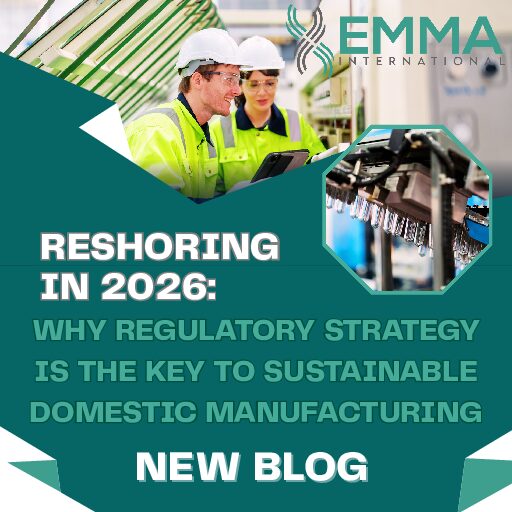
Reshoring is no longer a short-term response to supply chain disruption. In 2026, it has evolved into a strategic priority for life sciences, pharmaceutical, and medical device organizations seeking greater control, resilience, and regulatory alignment.
Global instability, geopolitical risk, and increased regulatory scrutiny have pushed manufacturers to reassess offshore dependencies. However, bringing operations back to the United States or expanding domestic manufacturing capacity requires more than facility construction. It demands a comprehensive regulatory and quality strategy.
Beyond Supply Chain Risk: The Regulatory Dimension of Reshoring
Reshoring introduces significant regulatory considerations. New or retrofitted facilities must meet FDA, cGMP, and international quality standards. Technology transfers must be validated. Documentation must be updated. Inspection readiness must be established from day one.
Without structured regulatory oversight, reshoring initiatives can create unintended compliance gaps that delay approvals and disrupt timelines.
Organizations must consider:
- Facility qualification and validation
- Process transfer and comparability assessments
- Supplier requalification
- Updated regulatory submissions and notifications
- Inspection readiness under evolving FDA expectations
Reshoring succeeds when compliance planning begins at the earliest stages of operational transition.
Quality System Alignment During Facility Transitions
When manufacturing moves locations, quality systems must move with it. Standard operating procedures, deviation management processes, training programs, and risk management frameworks require careful harmonization across sites.
This is particularly critical in highly regulated industries where even minor documentation inconsistencies can trigger regulatory findings.
EMMA International supports organizations in conducting gap assessments, remediating quality systems, and aligning domestic operations with global standards such as ICH Q10 and ISO frameworks. By embedding quality strategy into the reshoring roadmap, companies reduce risk and maintain operational continuity.
Strategic Regulatory Engagement
Reshoring often requires proactive engagement with regulatory authorities. Sponsors may need to submit prior approval supplements, comparability data, or updated facility information depending on the scope of manufacturing changes.
Early regulatory engagement reduces uncertainty and supports predictable review timelines. Organizations that integrate regulatory strategy into project governance avoid reactive submissions and last-minute compliance issues.
EMMA assists clients in building structured regulatory communication plans and submission strategies that align with agency expectations.
Reshoring as a Competitive Advantage
Domestic manufacturing strengthens supply chain resilience, supports national security objectives, and can enhance brand trust. However, reshoring must be executed strategically to avoid cost overruns and compliance setbacks.
When regulatory foresight, quality integration, and operational planning work together, reshoring becomes more than a defensive move. It becomes a growth strategy.
EMMA International partners with life sciences organizations to manage the regulatory, quality, and operational complexities of reshoring initiatives. From strategic planning through inspection readiness, our team helps ensure that domestic expansion is executed compliantly, efficiently, and sustainably.
Reshoring is not simply about geography. It is about control, resilience, and regulatory confidence.
For more information on how EMMA International supports reshoring and domestic manufacturing strategy, visit www.emmainternational.com.
For more information on how EMMA International can assist, visit www.emmainternational.com or contact us at (248) 987-4497 or info@emmainternational.com.
Reference:
U.S. Food and Drug Administration (FDA). (2023). Quality Management Systems for Pharmaceutical Manufacturing (ICH Q10).
Executive Order 14017. (2021). America’s Supply Chains. The White House.
Alliance for American Manufacturing. (2025). 2025 Reshoring and Domestic Manufacturing Report.